The Letters · New Testament
Romans 15
Romans 15: bearing with the weak, Gentiles praising God, and plans for Jerusalem and Spain
General context
The other side of chapter 14 is named: "We then that are strong ought to bear the infirmities of the weak, and not to please ourselves", each pleasing his neighbour "for his good to edification", because "even Christ pleased not himself". Whatever was written before "were written for our learning", so that through patience and comfort of the scriptures there might be hope. A prayer for likemindedness follows, then "receive ye one another, as Christ also received us to the glory of God". Jesus Christ is called "a minister of the circumcision for the truth of God", confirming the promises made to the fathers, so that Gentiles might glorify God, and four quotations about Gentiles and nations are stacked in support. A second prayer asks that they abound in hope. The writer then speaks about himself: he is persuaded they are full of goodness and knowledge, has written "the more boldly" to put them in mind, and holds the grace of being "the minister of Jesus Christ to the Gentiles". He will not speak of what Christ has not wrought by him, and says that "from Jerusalem, and round about unto Illyricum, I have fully preached the gospel of Christ", striving to preach where Christ was not named "lest I should build upon another man’s foundation". That work is why he has been hindered from coming. Now, with "no more place in these parts", he plans to visit on his way "into Spain", but first goes to Jerusalem with a contribution from Macedonia and Achaia "for the poor saints which are at Jerusalem", and asks for prayers about Judea and about that service.
Cited passages: Romans 15:1, Romans 15:2, Romans 15:3, Romans 15:4, Romans 15:5, Romans 15:6, Romans 15:7, Romans 15:8, Romans 15:9, Romans 15:10, Romans 15:11, Romans 15:12, Romans 15:13, Romans 15:14, Romans 15:15, Romans 15:16, Romans 15:18, Romans 15:19, Romans 15:20, Romans 15:22, Romans 15:23, Romans 15:24, Romans 15:25, Romans 15:26, Romans 15:27, Romans 15:30, Romans 15:31, Romans 15:33
Romans 15 (KJV)
1We then that are strong ought to bear the infirmities of the weak, and not to please ourselves.
2Let every one of us please his neighbour for his good to edification.
3For even Christ pleased not himself; but, as it is written, The reproaches of them that reproached thee fell on me.
4For whatsoever things were written aforetime were written for our learning, that we through patience and comfort of the scriptures might have hope.
5Now the God of patience and consolation grant you to be likeminded one toward another according to Christ Jesus:
6That ye may with one mind and one mouth glorify God, even the Father of our Lord Jesus Christ.
7Wherefore receive ye one another, as Christ also received us to the glory of God.
8Now I say that Jesus Christ was a minister of the circumcision for the truth of God, to confirm the promises made unto the fathers:
9And that the Gentiles might glorify God for his mercy; as it is written, For this cause I will confess to thee among the Gentiles, and sing unto thy name.
10And again he saith, Rejoice, ye Gentiles, with his people.
11And again, Praise the Lord, all ye Gentiles; and laud him, all ye people.
12And again, Esaias saith, There shall be a root of Jesse, and he that shall rise to reign over the Gentiles; in him shall the Gentiles trust.
13Now the God of hope fill you with all joy and peace in believing, that ye may abound in hope, through the power of the Holy Ghost.
14And I myself also am persuaded of you, my brethren, that ye also are full of goodness, filled with all knowledge, able also to admonish one another.
15Nevertheless, brethren, I have written the more boldly unto you in some sort, as putting you in mind, because of the grace that is given to me of God,
16That I should be the minister of Jesus Christ to the Gentiles, ministering the gospel of God, that the offering up of the Gentiles might be acceptable, being sanctified by the Holy Ghost.
17I have therefore whereof I may glory through Jesus Christ in those things which pertain to God.
18For I will not dare to speak of any of those things which Christ hath not wrought by me, to make the Gentiles obedient, by word and deed,
19Through mighty signs and wonders, by the power of the Spirit of God; so that from Jerusalem, and round about unto Illyricum, I have fully preached the gospel of Christ.
20Yea, so have I strived to preach the gospel, not where Christ was named, lest I should build upon another man’s foundation:
21But as it is written, To whom he was not spoken of, they shall see: and they that have not heard shall understand.
22For which cause also I have been much hindered from coming to you.
23But now having no more place in these parts, and having a great desire these many years to come unto you;
24Whensoever I take my journey into Spain, I will come to you: for I trust to see you in my journey, and to be brought on my way thitherward by you, if first I be somewhat filled with your company.
25But now I go unto Jerusalem to minister unto the saints.
26For it hath pleased them of Macedonia and Achaia to make a certain contribution for the poor saints which are at Jerusalem.
27It hath pleased them verily; and their debtors they are. For if the Gentiles have been made partakers of their spiritual things, their duty is also to minister unto them in carnal things.
28When therefore I have performed this, and have sealed to them this fruit, I will come by you into Spain.
29And I am sure that, when I come unto you, I shall come in the fulness of the blessing of the gospel of Christ.
30Now I beseech you, brethren, for the Lord Jesus Christ’s sake, and for the love of the Spirit, that ye strive together with me in your prayers to God for me;
31That I may be delivered from them that do not believe in Judaea; and that my service which I have for Jerusalem may be accepted of the saints;
32That I may come unto you with joy by the will of God, and may with you be refreshed.
33Now the God of peace be with you all. Amen.
This page shows the King James Version. In the app, reading opens in the Berean Standard Bible unless you have chosen another translation. The reader includes five translations: the Berean Standard Bible (BSB), the King James Version (KJV), the World English Bible (WEB), the Bible in Basic English (BBE), and the American Standard Version (ASV). Search covers three of them: Berean Standard, King James, and World English. Basic English and American Standard readers search the King James words.
Historical context
Most of the letter's stated geography and plans sit in this chapter: Jerusalem, Illyricum, Spain, Macedonia, Achaia and Judea. The collection is said to be for "the poor saints which are at Jerusalem", contributed by Macedonia and Achaia, and the reason given is that Gentiles who shared in spiritual things owe carnal things in return. The writer says he has had "a great desire these many years to come unto you" and has been "much hindered". The chapter states intentions, not outcomes: whether he reached Spain, or whether the service was accepted, is not reported here. The quotations vary from their sources. Psalm 18:49 reads "among the heathen" where the letter prints "among the Gentiles"; Isaiah 11:10 reads "to it shall the Gentiles seek" where the letter has "in him shall the Gentiles trust". Psalm 69:9, Deuteronomy 32:43, Psalm 117:1 and Isaiah 52:15 supply the other lines.
Cited passages: Romans 15:9, Romans 15:12, Romans 15:19, Romans 15:21, Romans 15:23, Romans 15:24, Romans 15:25, Romans 15:26, Romans 15:27, Psalms 18:49, Isaiah 11:10, Psalms 69:9, Deuteronomy 32:43, Psalms 117:1, Isaiah 52:15
Literary context
The chapter closes the argument and opens the letter's business. The weak and strong discussion is finished by naming the side that was unnamed in chapter 14, then supported by Christ's example and by scripture. Four quotations are chained with plain connectors, "as it is written", "And again he saith", "And again", "And again, Esaias saith", and every one of them mentions Gentiles or nations, so the sequence itself carries the point. Three prayers punctuate the chapter and each begins the same way, with "the God of patience and consolation", then "the God of hope", then "the God of peace". After the quotations the writing becomes first person and practical, full of places and a timetable, which is the first time since chapter 1 that the letter says where its writer is going.
Cited passages: Romans 15:1, Romans 15:3, Romans 15:5, Romans 15:9, Romans 15:10, Romans 15:11, Romans 15:12, Romans 15:13, Romans 15:19, Romans 15:24, Romans 15:25, Romans 15:33
Key moments
- The strong bear the weak (Romans 15:1). The obligation is placed on those who are able.
- Written for our learning (Romans 15:4). Earlier writings are said to serve patience, comfort and hope.
- Receive one another (Romans 15:7). Mutual reception is grounded in Christ's reception of them.
- Gentiles glorify God (Romans 15:9). A chain of quotations about Gentiles and nations begins.
- From Jerusalem to Illyricum (Romans 15:19). The writer describes the reach of his preaching.
- A journey planned to Spain (Romans 15:24). Rome is named as a stop on the way rather than the destination.
- A contribution for Jerusalem (Romans 15:26). Macedonia and Achaia are said to have given for the poor saints.
For reflection
The writer asks the Romans to pray that he be delivered in Judea and that his collection be accepted, before he ever reaches them. What does it change that the letter's plan is stated as a request rather than a certainty?
People in this chapter

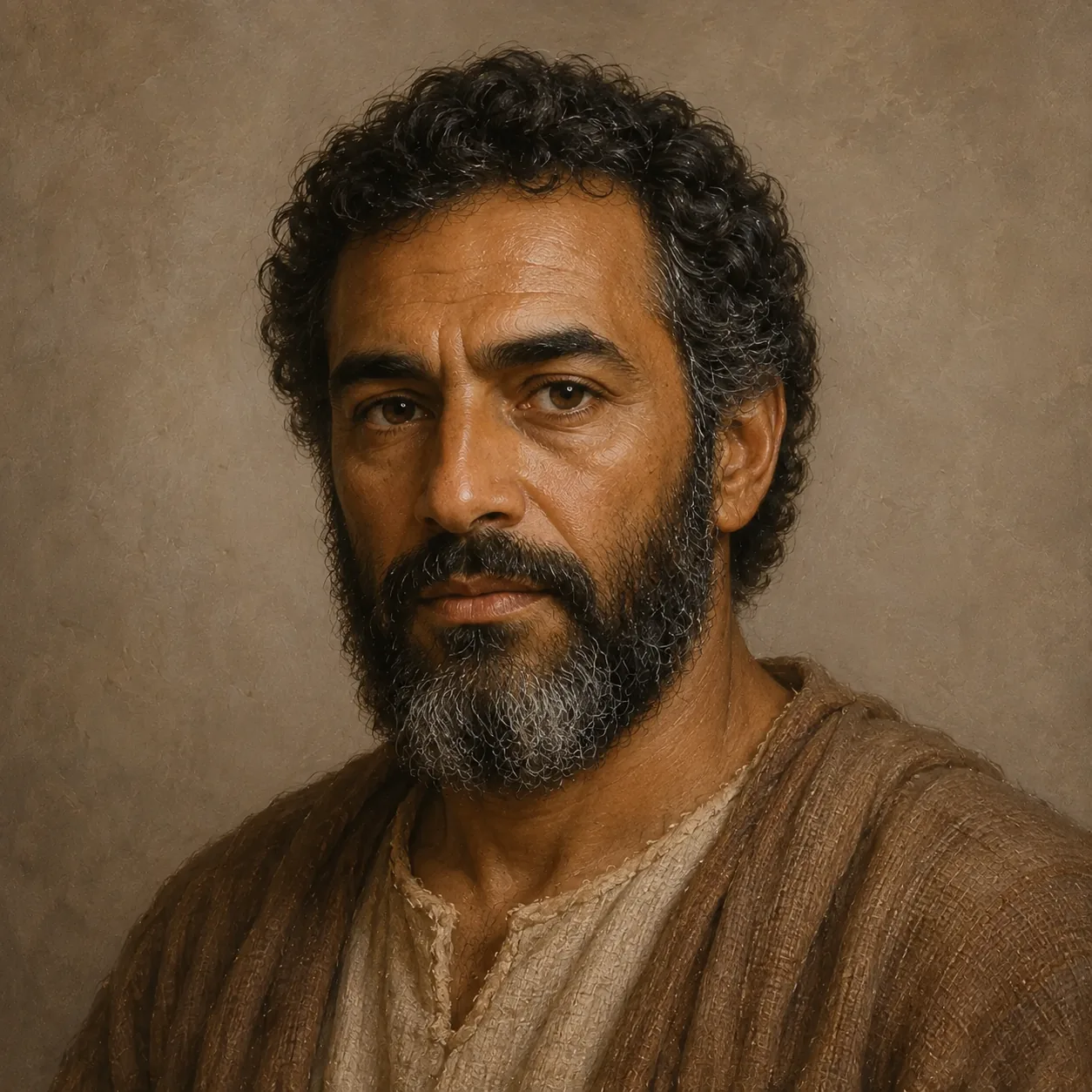
Also indexed here: