The Prophets · Old Testament
Isaiah 22
Isaiah 22: the valley of vision, Shebna's tomb and Eliakim's key
General context
The burden of the valley of vision asks a city full of stirs why it has gone up to the housetops; its slain did not die by the sword, and its rulers fled and were bound. The speaker asks to be left to weep bitterly over the spoiling of the daughter of his people, for it is a day of trouble from the Lord God of hosts in the valley of vision, of walls broken and crying to the mountains. Elam bears the quiver and Kir uncovers the shield, chariots fill the valleys and horsemen array at the gate. The covering of Judah is removed, and the people look to the armour of the house of the forest, gather the waters of the lower pool, break down houses to fortify the wall, and dig a ditch for the old pool, but do not look to the one who made it. On that day the Lord God of hosts called for weeping, baldness and sackcloth, and instead there is joy, slaying oxen, drinking wine, saying let us eat and drink, for to morrow we shall die; the Lord reveals that this iniquity will not be purged till they die. The Lord then sends the speaker to Shebna, the treasurer over the house, who has hewn himself a sepulchre on high: the Lord will toss him like a ball into a large country where he will die. In that day the Lord will call his servant Eliakim the son of Hilkiah, clothe him with Shebna's robe and government as a father to Jerusalem and Judah, lay the key of the house of David on his shoulder, and fasten him as a nail in a sure place on which all the glory of his father's house hangs. Yet in that day the nail fastened in the sure place will be removed and cut down, and its burden cut off.
Cited passages: Isaiah 22:1, Isaiah 22:2, Isaiah 22:3, Isaiah 22:4, Isaiah 22:5, Isaiah 22:6, Isaiah 22:7, Isaiah 22:8, Isaiah 22:9, Isaiah 22:10, Isaiah 22:11, Isaiah 22:12, Isaiah 22:13, Isaiah 22:14, Isaiah 22:15, Isaiah 22:16, Isaiah 22:17, Isaiah 22:18, Isaiah 22:19, Isaiah 22:20, Isaiah 22:21, Isaiah 22:22, Isaiah 22:23, Isaiah 22:24, Isaiah 22:25
Isaiah 22 (KJV)
1The burden of the valley of vision. What aileth thee now, that thou art wholly gone up to the housetops?
2Thou that art full of stirs, a tumultuous city, a joyous city: thy slain men are not slain with the sword, nor dead in battle.
3All thy rulers are fled together, they are bound by the archers: all that are found in thee are bound together, which have fled from far.
4Therefore said I, Look away from me; I will weep bitterly, labour not to comfort me, because of the spoiling of the daughter of my people.
5For it is a day of trouble, and of treading down, and of perplexity by the Lord God of hosts in the valley of vision, breaking down the walls, and of crying to the mountains.
6And Elam bare the quiver with chariots of men and horsemen, and Kir uncovered the shield.
7And it shall come to pass, that thy choicest valleys shall be full of chariots, and the horsemen shall set themselves in array at the gate.
8And he discovered the covering of Judah, and thou didst look in that day to the armour of the house of the forest.
9Ye have seen also the breaches of the city of David, that they are many: and ye gathered together the waters of the lower pool.
10And ye have numbered the houses of Jerusalem, and the houses have ye broken down to fortify the wall.
11Ye made also a ditch between the two walls for the water of the old pool: but ye have not looked unto the maker thereof, neither had respect unto him that fashioned it long ago.
12And in that day did the Lord God of hosts call to weeping, and to mourning, and to baldness, and to girding with sackcloth:
13And behold joy and gladness, slaying oxen, and killing sheep, eating flesh, and drinking wine: let us eat and drink; for to morrow we shall die.
14And it was revealed in mine ears by the Lord of hosts, Surely this iniquity shall not be purged from you till ye die, saith the Lord God of hosts.
15Thus saith the Lord God of hosts, Go, get thee unto this treasurer, even unto Shebna, which is over the house, and say,
16What hast thou here? and whom hast thou here, that thou hast hewed thee out a sepulchre here, as he that heweth him out a sepulchre on high, and that graveth an habitation for himself in a rock?
17Behold, the Lord will carry thee away with a mighty captivity, and will surely cover thee.
18He will surely violently turn and toss thee like a ball into a large country: there shalt thou die, and there the chariots of thy glory shall be the shame of thy lord’s house.
19And I will drive thee from thy station, and from thy state shall he pull thee down.
20And it shall come to pass in that day, that I will call my servant Eliakim the son of Hilkiah:
21And I will clothe him with thy robe, and strengthen him with thy girdle, and I will commit thy government into his hand: and he shall be a father to the inhabitants of Jerusalem, and to the house of Judah.
22And the key of the house of David will I lay upon his shoulder; so he shall open, and none shall shut; and he shall shut, and none shall open.
23And I will fasten him as a nail in a sure place; and he shall be for a glorious throne to his father’s house.
24And they shall hang upon him all the glory of his father’s house, the offspring and the issue, all vessels of small quantity, from the vessels of cups, even to all the vessels of flagons.
25In that day, saith the Lord of hosts, shall the nail that is fastened in the sure place be removed, and be cut down, and fall; and the burden that was upon it shall be cut off: for the Lord hath spoken it.
This page shows the King James Version. In the app, reading opens in the Berean Standard Bible unless you have chosen another translation. The reader includes five translations: the Berean Standard Bible (BSB), the King James Version (KJV), the World English Bible (WEB), the Bible in Basic English (BBE), and the American Standard Version (ASV). Search covers three of them: Berean Standard, King James, and World English. Basic English and American Standard readers search the King James words.
Historical context
The heading names the valley of vision rather than a city, but the body names the city of David, the houses of Jerusalem and the covering of Judah, so the burden concerns Jerusalem. No king or year is given, and the attackers appear only as Elam with the quiver and Kir with the shield; the text does not say which siege is described or whether the scene is past, present or foretold, since the verbs mix ye have seen and ye gathered with shall be full of chariots. The waterworks, the lower pool, the old pool, the ditch between the two walls, are stated as the people's own preparations. Two officials are named: Shebna, the treasurer who is over the house, and Eliakim the son of Hilkiah, called my servant. This chapter foretells the transfer of Shebna's robe, girdle and government to Eliakim; later in the book Eliakim, Hilkiah's son, is over the house and Shebna is the scribe, and the text there does not narrate how the change happened. Whose nail is removed in the last verse is not stated; it may be read of Eliakim, whose nail was fastened two verses earlier, but the text does not say. Paul quotes the feasters' words: let us eat and drink; for to morrow we die. Revelation applies the key language to another figure, he that hath the key of David, he that openeth, and no man shutteth; and shutteth, and no man openeth; that is a later use, and here the key is laid on Eliakim.
Cited passages: Isaiah 22:1, Isaiah 22:9, Isaiah 22:8, Isaiah 22:6, Isaiah 22:7, Isaiah 22:11, Isaiah 22:15, Isaiah 22:20, Isaiah 36:3, Isaiah 22:25, 1 Corinthians 15:32, Revelation 3:7
Literary context
The burden turns the series against foreign nations onto the speaker's own city, and the speaker's grief, I will weep bitterly, is stated in the same first person that mourned Moab. The opening question, what aileth thee, is put to a city on its rooftops, joyous when it should mourn, and the chapter's central contrast is between what the Lord called for, weeping, baldness, sackcloth, and what he found, oxen slain and wine drunk under the motto for to morrow we shall die. The siege preparations are listed as a string of ye did this, armour, pool, houses, wall, ditch, and the list ends on the one thing not done, ye have not looked unto the maker thereof. The second half narrows from the city to one man. Shebna's sepulchre hewn on high is answered by death in a large country, and the verbs against him are violent, carry, toss like a ball, drive, pull down. Eliakim is then dressed in Shebna's own robe and girdle, and the images for him are all about holding: a father, a key on the shoulder, a nail in a sure place with a household's cups and flagons hanging on it. The final verse removes the nail and lets the burden fall, so the chapter closes on loss twice over. The burden of Tyre begins the next chapter.
Cited passages: Isaiah 22:4, Isaiah 16:9, Isaiah 22:1, Isaiah 22:12, Isaiah 22:13, Isaiah 22:10, Isaiah 22:11, Isaiah 22:16, Isaiah 22:18, Isaiah 22:21, Isaiah 22:22, Isaiah 22:24, Isaiah 22:25, Isaiah 23:1
Key moments
- A city on its housetops (Isaiah 22:1). The burden asks the tumultuous city why it has gone up to the roofs.
- I will weep bitterly (Isaiah 22:4). The speaker refuses comfort over the spoiling of his people.
- Walls fortified, maker ignored (Isaiah 22:11). The people dig a ditch for the old pool but do not look to the one who made it.
- Eat and drink, for to morrow we die (Isaiah 22:13). Called to mourning, the city feasts instead.
- Shebna's sepulchre (Isaiah 22:16). The treasurer who hewed a tomb on high will be tossed away to die elsewhere.
- The key on Eliakim's shoulder (Isaiah 22:22). The Lord gives Eliakim the key of the house of David to open and shut.
- The nail removed (Isaiah 22:25). The nail fastened in a sure place is cut down and its burden falls.
For reflection
The city did everything to hold its walls and water except look to the maker thereof. What does the chapter count as the difference between preparing and trusting, given that the preparations themselves are not condemned?
People in this chapter
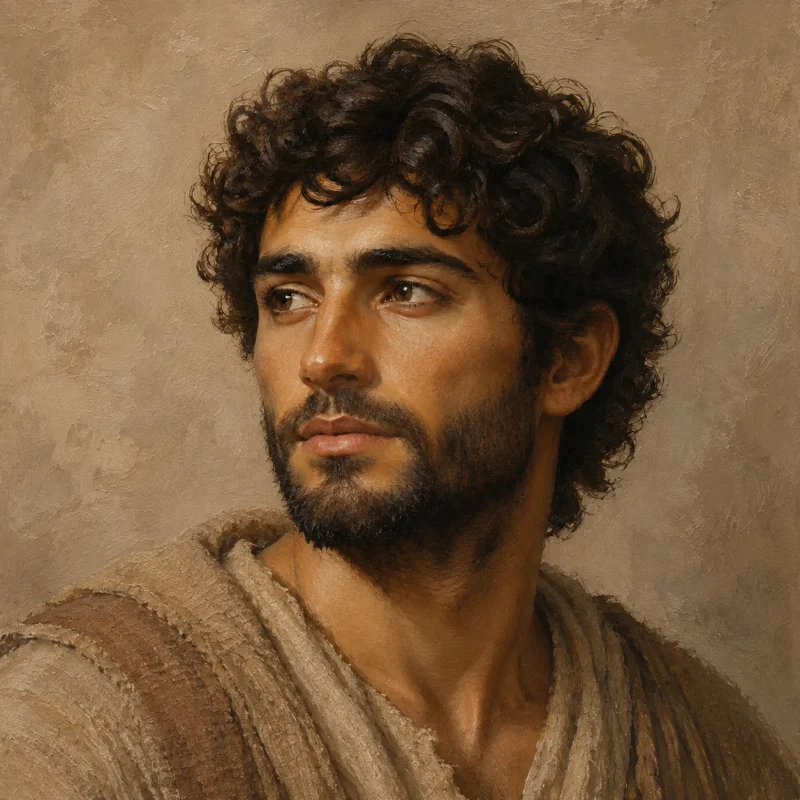
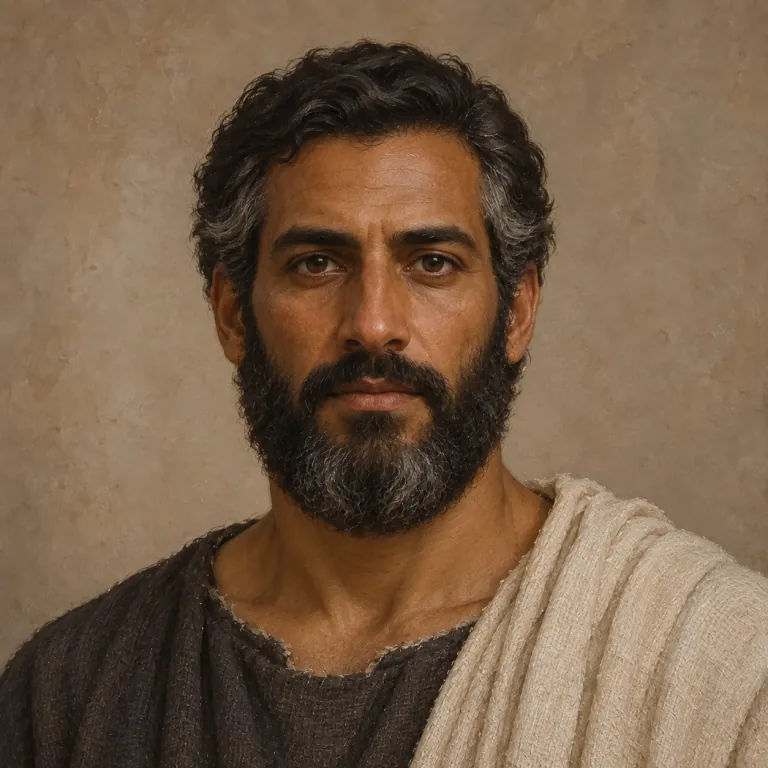
Also indexed here: