The Early Church · New Testament
Acts 25
Acts 25: Festus hears the case and Paul appeals unto Cesar
General context
Three days after entering the province Festus goes up from Cesarea to Jerusalem, where the high priest and the chief of the Jews inform him against Paul and ask that he be sent for; the narrator says they were laying wait in the way to kill him. Festus answers that Paul will be kept at Cesarea and invites those able among them to come down and accuse him. After more than ten days he goes down, sits on the judgment seat and has Paul brought. The accusers lay many and grievous complaints they cannot prove, and Paul answers that he has offended nothing against the law of the Jews, the temple or Cesar. Festus, willing to do the Jews a pleasure, asks whether he will go up to Jerusalem to be judged. Paul says he stands at Cesar's judgment seat where he ought to be judged, that he refuses not to die if he has done anything worthy of death, that no man may deliver him if the charges are groundless, and that he appeals unto Cesar. Festus confers with the council and answers that to Cesar he shall go. King Agrippa and Bernice come to salute Festus, and he lays the case before the king, saying the accusers brought none of the accusations he supposed but questions of their own superstition and of one Jesus, which was dead, whom Paul affirmed to be alive. Agrippa says he would hear the man. The next day he and Bernice enter with great pomp, with chief captains and principal men, and Festus presents Paul, saying he found nothing worthy of death, that Paul has appealed to Augustus, and that he has no certain thing to write to his lord.
Cited passages: Acts 25:1, Acts 25:2, Acts 25:3, Acts 25:4, Acts 25:5, Acts 25:6, Acts 25:7, Acts 25:8, Acts 25:9, Acts 25:10, Acts 25:11, Acts 25:12, Acts 25:13, Acts 25:14, Acts 25:15, Acts 25:16, Acts 25:17, Acts 25:18, Acts 25:19, Acts 25:20, Acts 25:21, Acts 25:22, Acts 25:23, Acts 25:24, Acts 25:25, Acts 25:26, Acts 25:27
Acts 25 (KJV)
1Now when Festus was come into the province, after three days he ascended from Cæsarea to Jerusalem.
2Then the high priest and the chief of the Jews informed him against Paul, and besought him,
3And desired favour against him, that he would send for him to Jerusalem, laying wait in the way to kill him.
4But Festus answered, that Paul should be kept at Cæsarea, and that he himself would depart shortly thither.
5Let them therefore, said he, which among you are able, go down with me, and accuse this man, if there be any wickedness in him.
6And when he had tarried among them more than ten days, he went down unto Cæsarea; and the next day sitting on the judgment seat commanded Paul to be brought.
7And when he was come, the Jews which came down from Jerusalem stood round about, and laid many and grievous complaints against Paul, which they could not prove.
8While he answered for himself, Neither against the law of the Jews, neither against the temple, nor yet against Cæsar, have I offended any thing at all.
9But Festus, willing to do the Jews a pleasure, answered Paul, and said, Wilt thou go up to Jerusalem, and there be judged of these things before me?
10Then said Paul, I stand at Cæsar’s judgment seat, where I ought to be judged: to the Jews have I done no wrong, as thou very well knowest.
11For if I be an offender, or have committed any thing worthy of death, I refuse not to die: but if there be none of these things whereof these accuse me, no man may deliver me unto them. I appeal unto Cæsar.
12Then Festus, when he had conferred with the council, answered, Hast thou appealed unto Cæsar? unto Cæsar shalt thou go.
13And after certain days king Agrippa and Bernice came unto Cæsarea to salute Festus.
14And when they had been there many days, Festus declared Paul’s cause unto the king, saying, There is a certain man left in bonds by Felix:
15About whom, when I was at Jerusalem, the chief priests and the elders of the Jews informed me, desiring to have judgment against him.
16To whom I answered, It is not the manner of the Romans to deliver any man to die, before that he which is accused have the accusers face to face, and have licence to answer for himself concerning the crime laid against him.
17Therefore, when they were come hither, without any delay on the morrow I sat on the judgment seat, and commanded the man to be brought forth.
18Against whom when the accusers stood up, they brought none accusation of such things as I supposed:
19But had certain questions against him of their own superstition, and of one Jesus, which was dead, whom Paul affirmed to be alive.
20And because I doubted of such manner of questions, I asked him whether he would go to Jerusalem, and there be judged of these matters.
21But when Paul had appealed to be reserved unto the hearing of Augustus, I commanded him to be kept till I might send him to Cæsar.
22Then Agrippa said unto Festus, I would also hear the man myself. To morrow, said he, thou shalt hear him.
23And on the morrow, when Agrippa was come, and Bernice, with great pomp, and was entered into the place of hearing, with the chief captains, and principal men of the city, at Festus’ commandment Paul was brought forth.
24And Festus said, King Agrippa, and all men which are here present with us, ye see this man, about whom all the multitude of the Jews have dealt with me, both at Jerusalem, and also here, crying that he ought not to live any longer.
25But when I found that he had committed nothing worthy of death, and that he himself hath appealed to Augustus, I have determined to send him.
26Of whom I have no certain thing to write unto my lord. Wherefore I have brought him forth before you, and specially before thee, O king Agrippa, that, after examination had, I might have somewhat to write.
27For it seemeth to me unreasonable to send a prisoner, and not withal to signify the crimes laid against him.
This page shows the King James Version. In the app, reading opens in the Berean Standard Bible unless you have chosen another translation. The reader includes five translations: the Berean Standard Bible (BSB), the King James Version (KJV), the World English Bible (WEB), the Bible in Basic English (BBE), and the American Standard Version (ASV). Search covers three of them: Berean Standard, King James, and World English. Basic English and American Standard readers search the King James words.
Historical context
The plan to kill Paul on the road is stated by the narrator, not by the petitioners, whose request is only that he be sent for. Festus's account to Agrippa is his own summary and it differs from the narrated hearing: he tells the king he asked Paul whether he would go to Jerusalem because he doubted of such manner of questions, while the narrator says he asked it being willing to do the Jews a pleasure. His description of the dispute, questions of their own superstition and of one Jesus, which was dead, whom Paul affirmed to be alive, is the governor's wording. Bernice is named beside Agrippa without any stated relation to him. The appeal is recorded in Paul's words and in Festus's reply after he conferred with the council, and the procedure is not described further. The one appealed to is called both Cesar and Augustus. No dates appear, only intervals of three days, more than ten days and certain days.
Cited passages: Acts 25:2, Acts 25:3, Acts 25:9, Acts 25:11, Acts 25:12, Acts 25:13, Acts 25:19, Acts 25:20, Acts 25:21, Acts 25:1, Acts 25:6
Literary context
The chapter turns twice on the same proposal. The chief priests ask that the trial be moved to Jerusalem and Festus refuses; Festus then asks the same of Paul and Paul refuses, ending the matter with the appeal. Festus tells Agrippa in private that the accusers brought none of the accusations he supposed, and then says before the whole hearing that he found nothing worthy of death, so the reader hears a verdict the trial never issued. The last scene is staged rather than argued, with great pomp, chief captains and principal men, and a governor who states plainly that he has nothing to write. The appeal closes off release and points the narrative to Rome.
Cited passages: Acts 25:3, Acts 25:4, Acts 25:9, Acts 25:10, Acts 25:11, Acts 25:12, Acts 25:18, Acts 25:23, Acts 25:24, Acts 25:25, Acts 25:26, Acts 25:27
Key moments
- The request and the ambush (Acts 25:3). The chief men ask that Paul be sent to Jerusalem while laying wait to kill him.
- Charges without proof (Acts 25:7). The accusers lay many grievous complaints against Paul which they cannot prove.
- I appeal unto Cesar (Acts 25:11). Paul refuses to be handed over and appeals to Cesar's judgment.
- Unto Cesar shalt thou go (Acts 25:12). Festus confers with the council and grants the appeal.
- Festus explains the case (Acts 25:19). He tells Agrippa the dispute concerns one Jesus, which was dead, whom Paul affirmed to be alive.
- The hearing in pomp (Acts 25:23). Agrippa and Bernice enter with chief captains and principal men and Paul is brought forth.
- Nothing certain to write (Acts 25:26). Festus says he has no certain thing to write to his lord about the prisoner.
For reflection
Festus says he has no certain thing to write unto his lord and brings the prisoner out so that he may have somewhat to write. What does a hearing held to produce a document ask of the person being heard?
People in this chapter
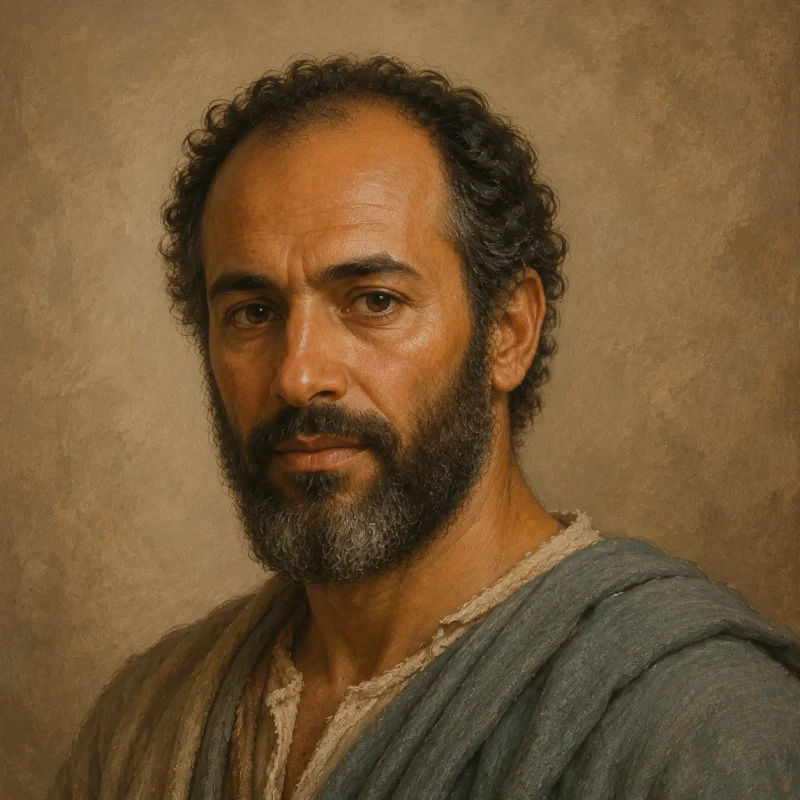


Also indexed here: