Person in the New Testament
Titus
Titus: the Greek companion Paul sent between himself and Corinth
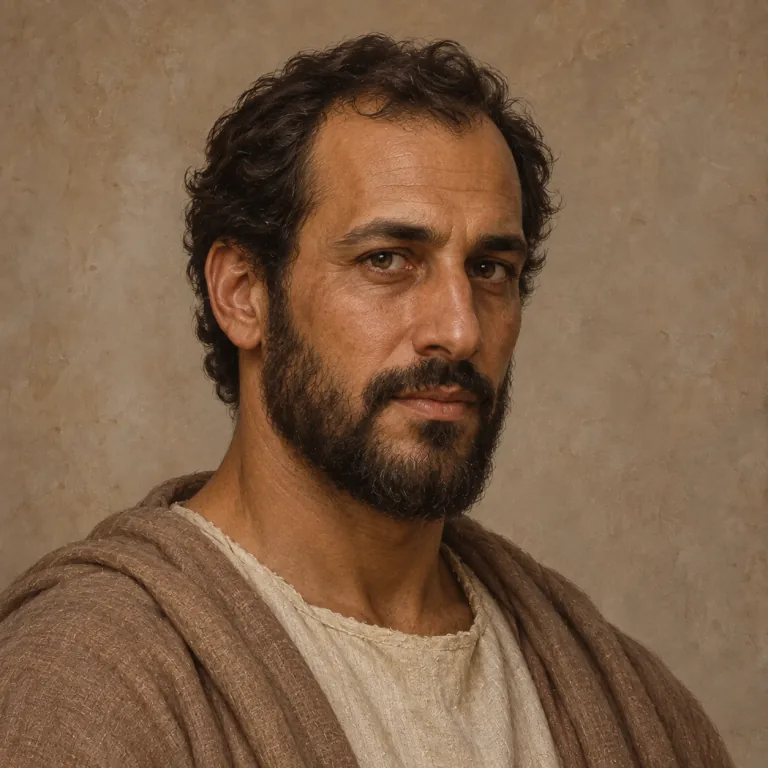
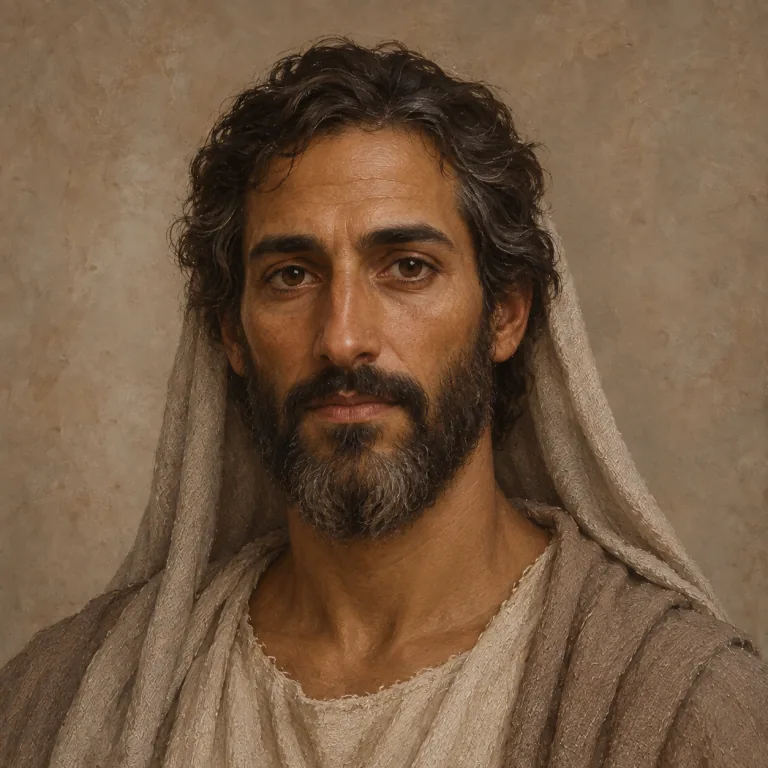
Portrait: an AI-generated artistic interpretation, not evidence of how Titus looked.
Who Titus is
Titus appears only inside letters, never in a story told about him. Paul first names him at Troas, where a door was opened to preach and he still had no rest in his spirit because he found not Titus my brother, so he left for Macedonia. The relief comes later in the same letter, when God comforted Paul by the coming of Titus and by the report Titus brought of the Corinthians' earnest desire and mourning. Paul says his boasting about them to Titus turned out true, and that Titus' spirit was refreshed by them and his affection for them increased. In the chapters about the collection, Titus is the one asked to finish among the Corinthians what he had already begun, and Paul says God put the same earnest care into his heart so that he went of his own accord. Paul calls him my partner and fellowhelper concerning you, and when answering a charge about money he asks whether Titus made a gain of them. Galatians places him on a journey to Jerusalem with Paul and Barnabas and describes him as a Greek who was not compelled to be circumcised. Two verses elsewhere set him in other places: one says Titus went to Dalmatia, and a letter addressed to him calls him mine own son after the common faith and says Paul had left him in Crete to set in order the things that are wanting and ordain elders in every city.
Cited passages: 2 Corinthians 2:12, 2 Corinthians 2:13, 2 Corinthians 7:6, 2 Corinthians 7:7, 2 Corinthians 7:13, 2 Corinthians 7:14, 2 Corinthians 7:15, 2 Corinthians 8:6, 2 Corinthians 8:16, 2 Corinthians 8:17, 2 Corinthians 8:23, 2 Corinthians 12:18, Galatians 2:1, Galatians 2:3, 2 Timothy 4:10, Titus 1:4, Titus 1:5
Historical setting
The verses give no parentage, no home town, no account of how Titus met Paul and no end to his life. The single statement about his background is that he was a Greek, made in an argument about circumcision rather than as a description of him. The relationship terms are all Paul's: my brother, my partner and fellowhelper concerning you, and mine own son after the common faith, which states a bond in faith and not a family tie. The verse that sends him to Dalmatia sits in a list of departures that also includes Demas forsaking Paul and Crescens going to Galatia, and it gives no reason for any of the three. Crete is named in the instruction that Paul left him there, and the letter later quotes a saying about the Cretians without connecting it to him. Two closing lines printed after the final Amen in this source add claims the letters themselves never make: 2 Corinthians ends with a line saying that letter was written from Philippi, a city of Macedonia, by Titus and Lucas, and the letter to Titus ends with a line calling him ordained the first bishop of the church of the Cretians. Those lines stand inside the last verses, not as headings, and this source carries no superscriptions or titles anywhere.
Cited passages: Galatians 2:3, 2 Corinthians 2:13, 2 Corinthians 8:23, Titus 1:4, Titus 1:5, 2 Timothy 4:10, 2 Corinthians 13:14, Titus 3:15
How the story is told
In 2 Corinthians Titus works as a hinge in the argument rather than as a character with a voice. His absence breaks off the travel report at Troas, and the account is left unfinished for four chapters until his arrival picks it up again, so the reader feels the wait that Paul describes. Paul's own state is then reported through him: comfort arrives by the coming of Titus, and the news Titus carries is what changes the tone of the letter. In the collection chapters he serves a different purpose, standing as a guarantee that money is handled honestly, named beside two brothers who are never named at all. In Galatians he is evidence rather than a companion, since the point of the sentence is what was not done to him. In the letter addressed to him he is the reader, so that text describes his task and not his person. No words of Titus are quoted anywhere.
Cited passages: 2 Corinthians 2:13, 2 Corinthians 7:5, 2 Corinthians 7:6, 2 Corinthians 7:7, 2 Corinthians 8:6, 2 Corinthians 8:18, 2 Corinthians 8:22, 2 Corinthians 8:23, 2 Corinthians 12:18, Galatians 2:3, Titus 1:5
Story moments
- Missing at Troas (2 Corinthians 2:13). Paul leaves an open door because he cannot find Titus there.
- The comfort of his arrival (2 Corinthians 7:6). God is said to comfort Paul by the coming of Titus.
- Asked to finish the collection (2 Corinthians 8:6). Titus is sent to complete among the Corinthians what he had begun.
- My partner and fellowhelper (2 Corinthians 8:23). Paul vouches for him by name before the churches.
- Did Titus make a gain of you (2 Corinthians 12:18). His conduct is used to answer a charge about money.
- Not compelled to be circumcised (Galatians 2:3). A Greek companion becomes the test case in Jerusalem.
- Left in Crete (Titus 1:5). A letter addressed to him states the task he was left to do.
Key passages
2 Corinthians 2:13
I had no rest in my spirit, because I found not Titus my brother: but taking my leave of them, I went from thence into Macedonia.
2 Corinthians 7:6
Nevertheless God, that comforteth those that are cast down, comforted us by the coming of Titus;
2 Corinthians 7:13
Therefore we were comforted in your comfort: yea, and exceedingly the more joyed we for the joy of Titus, because his spirit was refreshed by you all.
2 Corinthians 7:14
For if I have boasted any thing to him of you, I am not ashamed; but as we spake all things to you in truth, even so our boasting, which I made before Titus, is found a truth.
2 Corinthians 8:6
Insomuch that we desired Titus, that as he had begun, so he would also finish in you the same grace also.
2 Corinthians 8:16
But thanks be to God, which put the same earnest care into the heart of Titus for you.
King James Version. 15 indexed passages in total.
For reflection
Almost everything the text says about Titus is about what he carried between other people, news, money and trust. What does it take to be the person a difficult message can safely travel through?
Books Titus appears in
Related people
Names and references are adapted from STEPBible TIPNR. A person listed with a verse is named or indexed there; it does not mean they wrote or spoke it.