Person in the New Testament
Sapphira
Sapphira: the wife asked about the price of the land

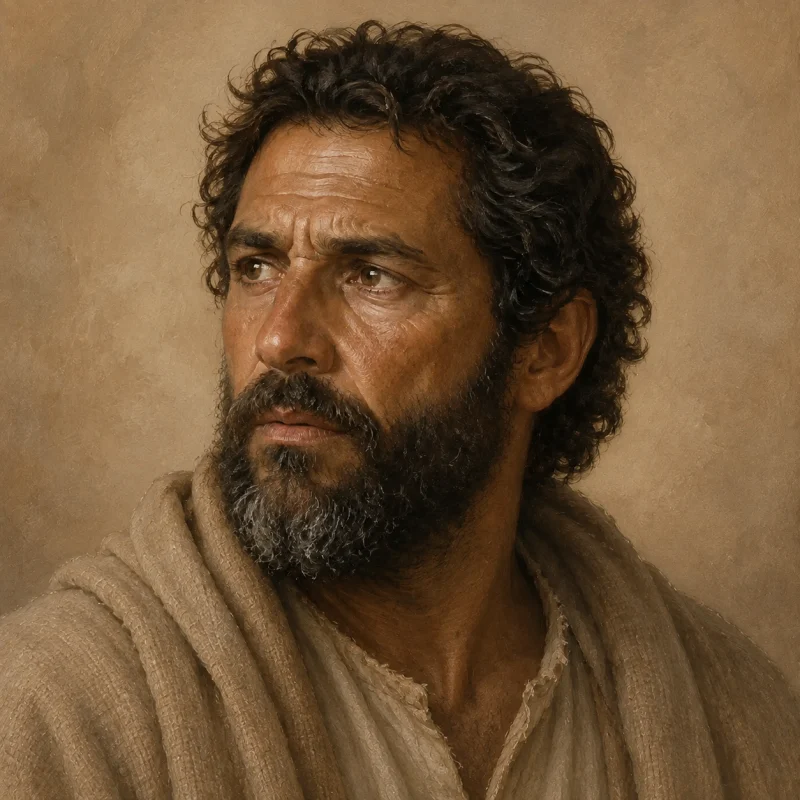
Portrait: an AI-generated artistic interpretation, not evidence of how Sapphira looked.
Who Sapphira is
Sapphira is named once, at Acts 5:1, as the wife of Ananias, in a sentence that makes the sale theirs together. The next verse says her husband kept back part of the price, his wife also being privy to it. She does not appear again until about the space of three hours after her husband's death, when she comes in not knowing what was done. Peter asks her whether they sold the land for a stated sum, and she answers, Yea, for so much. Peter then asks how it is that they have agreed together to tempt the Spirit of the Lord and tells her that the feet of them which have buried thy husband are at the door and shall carry her out as well. She falls down straightway at his feet and yields up the ghost, and the young men come in, find her dead, carry her forth and bury her by her husband. The account ends with the note that great fear came upon all the church, and upon as many as heard these things.
Cited passages: Acts 5:1, Acts 5:2, Acts 5:7, Acts 5:8, Acts 5:9, Acts 5:10, Acts 5:11
Historical setting
Sapphira's name is printed only once, and after that the text calls her his wife or she. Nothing is given of her family, age, home or occupation. Her one recorded sentence is the four words of her answer at 5:8. Two statements about her stand in the text and are worth keeping apart: the narrator says she was privy to the keeping back of part of the price, and the narrator also says that when she came in she was not knowing what was done, a phrase placed after the burial and not explained further. Peter's charge that they agreed together is his own speech. The death is reported plainly with no cause named beyond the words spoken, and the burial is given only as beside her husband, with no place.
Cited passages: Acts 5:1, Acts 5:2, Acts 5:7, Acts 5:8, Acts 5:9, Acts 5:10
How the story is told
Her scene repeats her husband's with one difference that carries it. He is told what he has done; she is asked, and answers. The question Peter puts to her, Tell me whether ye sold the land for so much, gives her the chance to say something other than what she says. The narrator marks the gap between the two halves precisely, about the space of three hours, and states her ignorance before she speaks. Peter announces the outcome before it happens, saying the feet of them which have buried thy husband are at the door, so the reader hears the ending a verse before it arrives. The two deaths are worded to match, gave up the ghost for him and yielded up the ghost for her.
Cited passages: Acts 5:8, Acts 5:7, Acts 5:9, Acts 5:10, Acts 5:5, Acts 5:2
Story moments
- Named in the sale (Acts 5:1). Sapphira is named as the wife of Ananias in the sentence reporting the sale.
- Privy to the withholding (Acts 5:2). The narrator says she knew that part of the price was kept back.
- She comes in three hours later (Acts 5:7). She enters without knowing what has happened to her husband.
- Yea, for so much (Acts 5:8). Asked about the price, she confirms the smaller figure.
- Peter names what is coming (Acts 5:9). Peter says the men who buried her husband are at the door.
- Buried by her husband (Acts 5:10). She falls down and dies, and the young men carry her out and bury her beside him.
Key passages
Acts 5:1
But a certain man named Ananias, with Sapphira his wife, sold a possession,
King James Version. 1 indexed passage in total.
For reflection
The text says Sapphira knew about the money and did not know about her husband, and then gives her a single question to answer. What does that leave settled about her, and what does it leave open?
Books Sapphira appears in
Related people



Names and references are adapted from STEPBible TIPNR. A person listed with a verse is named or indexed there; it does not mean they wrote or spoke it.