Person in the New Testament
Bartimaeus
Bartimeus: named in one verse of Mark, a blind beggar on the Jericho road
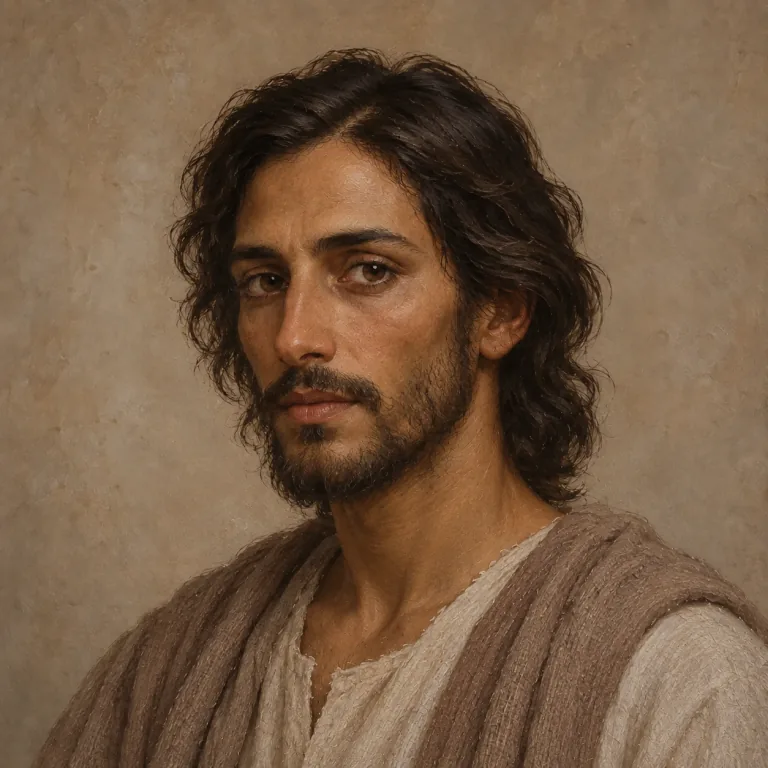
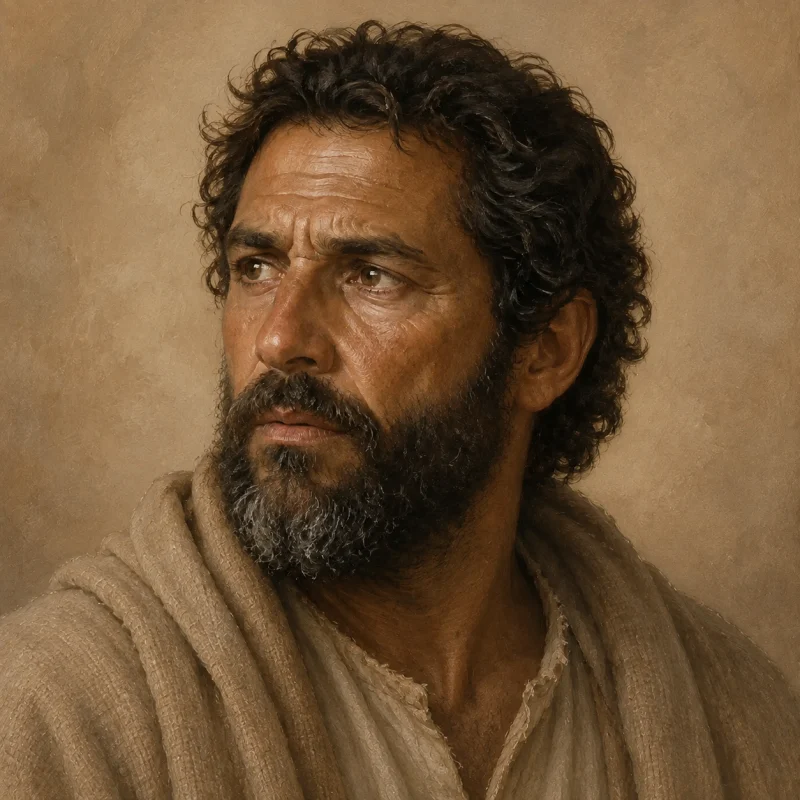
Portrait: an AI-generated artistic interpretation, not evidence of how Bartimaeus looked.
Who Bartimaeus is
The name occurs once. Mark says that they came to Jericho, and that as Jesus went out of Jericho with his disciples and a great number of people, blind Bartimeus, the son of Timeus, sat by the highway side begging. From the next verse on the text calls him only the blind man and he. Hearing that it is Jesus of Nazareth, he cries out to the Son of David for mercy. Many charge him to hold his peace, and he cries a great deal more. Jesus stands still and commands him to be called, and those who call him tell him to be of good comfort and rise, because he is being called. He casts away his garment, rises and comes. Asked what he wants done for him, he says that he might receive his sight. Jesus tells him to go his way, that his faith has made him whole, and the text says he immediately received his sight and followed Jesus in the way.
Cited passages: Mark 10:46, Mark 10:47, Mark 10:48, Mark 10:49, Mark 10:50, Mark 10:51, Mark 10:52
Historical setting
Everything the text gives about him fits in one scene, and his name fits in one verse. It is printed Bartimeus, with his father given as Timeus, and the handle spells it Bartimaeus. Beyond the father's name there is no family, no age, no home, no trade except begging by the highway, and no word about what became of him after he followed in the way. Jericho is the only place named, and no time or date is supplied. The crowd that tries to silence him is described only as many, without identifying anyone in it, and the text gives no reason for their charge.
Cited passages: Mark 10:46, Mark 10:47, Mark 10:48, Mark 10:50, Mark 10:52
How the story is told
Mark names him as he introduces him and then lets the name drop, so the rest of the scene works with the blind man and with pronouns. The title he uses, Son of David, is the thing he repeats when he is told to be quiet, and the repetition is what stops Jesus. His two possessions in the scene are a garment, which he throws away, and a request, which he states in one line. The question put to him is nearly the question put to the two disciples who had just asked for the seats of honour, and the answers differ sharply. He ends the scene following on the road out of Jericho, and this is the last healing Mark reports before they come near to Jerusalem.
Cited passages: Mark 10:46, Mark 10:47, Mark 10:48, Mark 10:49, Mark 10:50, Mark 10:51, Mark 10:52, Mark 10:36, Mark 10:37, Mark 11:1
Story moments
- Named once, by the road (Mark 10:46). Mark names blind Bartimeus, the son of Timeus, begging by the highway.
- Son of David, have mercy (Mark 10:47). Hearing that Jesus of Nazareth passes, he cries out.
- Told to be quiet (Mark 10:48). Many charge him to hold his peace, and he cries all the more.
- The garment cast away (Mark 10:50). Called, he throws off his garment, rises and comes.
- That I might receive my sight (Mark 10:51). Asked what he wants, he names it plainly.
- He follows in the way (Mark 10:52). He receives his sight and follows Jesus along the road.
Key passages
Mark 10:46
And they came to Jericho: and as he went out of Jericho with his disciples and a great number of people, blind Bartimæus, the son of Timæus, sat by the highway side begging.
King James Version. 1 indexed passage in total.
For reflection
The crowd tells him to be quiet and he gets louder. What does the scene show about who decides whether a beggar by the road gets heard?
Books Bartimaeus appears in
Related people
Names and references are adapted from STEPBible TIPNR. A person listed with a verse is named or indexed there; it does not mean they wrote or spoke it.