Wisdom & Poetry · Old Testament
Psalms 7
Psalm 7: an oath of innocence and an appeal to the judge of the peoples
General context
The speaker puts his trust in the Lord his God and asks to be saved from all who persecute him, lest the enemy tear his soul like a lion with no one to deliver. He swears an oath: if he has done this, if there is iniquity in his hands, if he has rewarded evil to one at peace with him (adding that he has delivered one who was his enemy without cause), then let the enemy persecute and take his soul, tread down his life and lay his honour in the dust; Selah follows. He calls on the Lord to arise in anger against the rage of the enemies and awake to the judgment he has commanded, so that the congregation of the people will compass him about. He says the Lord will judge the people and asks to be judged according to his own righteousness and integrity, praying that the wickedness of the wicked end and the just be established, for God tries the hearts and reins. He calls God his defence, judging the righteous and angry with the wicked every day. If the wicked does not turn, God whets his sword, bends his bow and prepares arrows against the persecutors. The wicked travails with iniquity, digs a pit and falls into it; his mischief returns on his own head. The speaker ends by praising the Lord according to his righteousness and singing to the name of the Lord most high.
Cited passages: Psalms 7:1, Psalms 7:2, Psalms 7:3, Psalms 7:4, Psalms 7:5, Psalms 7:6, Psalms 7:7, Psalms 7:8, Psalms 7:9, Psalms 7:11, Psalms 7:12, Psalms 7:14, Psalms 7:15, Psalms 7:16, Psalms 7:17
Psalms 7 (KJV)
1O Lord my God, in thee do I put my trust: save me from all them that persecute me, and deliver me:
2Lest he tear my soul like a lion, rending it in pieces, while there is none to deliver.
3O Lord my God, if I have done this; if there be iniquity in my hands;
4If I have rewarded evil unto him that was at peace with me; (yea, I have delivered him that without cause is mine enemy:)
5Let the enemy persecute my soul, and take it; yea, let him tread down my life upon the earth, and lay mine honour in the dust. Selah.
6Arise, O Lord, in thine anger, lift up thyself because of the rage of mine enemies: and awake for me to the judgment that thou hast commanded.
7So shall the congregation of the people compass thee about: for their sakes therefore return thou on high.
8The Lord shall judge the people: judge me, O Lord, according to my righteousness, and according to mine integrity that is in me.
9Oh let the wickedness of the wicked come to an end; but establish the just: for the righteous God trieth the hearts and reins.
10My defence is of God, which saveth the upright in heart.
11God judgeth the righteous, and God is angry with the wicked every day.
12If he turn not, he will whet his sword; he hath bent his bow, and made it ready.
13He hath also prepared for him the instruments of death; he ordaineth his arrows against the persecutors.
14Behold, he travaileth with iniquity, and hath conceived mischief, and brought forth falsehood.
15He made a pit, and digged it, and is fallen into the ditch which he made.
16His mischief shall return upon his own head, and his violent dealing shall come down upon his own pate.
17I will praise the Lord according to his righteousness: and will sing praise to the name of the Lord most high.
This page shows the King James Version. In the app, reading opens in the Berean Standard Bible unless you have chosen another translation. The reader includes five translations: the Berean Standard Bible (BSB), the King James Version (KJV), the World English Bible (WEB), the Bible in Basic English (BBE), and the American Standard Version (ASV). Search covers three of them: Berean Standard, King James, and World English. Basic English and American Standard readers search the King James words.
Historical context
The text as printed here carries no heading; verse 1 begins "O Lord my God, in thee do I put my trust", so no author, no accuser and no occasion are named in this source. The speaker refers to "this" in verse 3 ("if I have done this") without saying what he is accused of; the reader learns only that the charge would involve iniquity in his hands and repaying evil to someone at peace with him. The persecutors are plural in verse 1 and singular ("he", "like a lion") in verse 2 and verse 5, and the text does not say whether one enemy or many is meant. The parenthesis in verse 4 states the speaker's claim to have delivered an enemy without cause; that is his own testimony, not a narrated event. Verses 12-13 describe God arming himself with sword, bow and arrows, and verses 14-16 describe an unnamed wicked man; the switch between them is not marked. Selah appears once, after verse 5. "The congregation of the people" and "the people" whom the Lord judges are not identified further.
Cited passages: Psalms 7:1, Psalms 7:3, Psalms 7:4, Psalms 7:2, Psalms 7:13, Psalms 7:7, Psalms 7:8
Literary context
The poem is framed as a case brought before a judge. It opens with trust and a cry for rescue, then in verses 3-5 the speaker binds himself with a conditional oath, three "if" clauses followed by "Let the enemy" take his life if the charges are true. Verses 6-9 ask the judge to arise and return on high, and the speaker asks to be judged by his own righteousness. Verses 10-13 describe the judge's character and weapons, and verses 14-16 turn to the wicked, whose iniquity is pictured as pregnancy and birth and whose trap catches its own maker: pit, ditch, mischief returning on his head. The lion of verse 2 that would rend the speaker is answered by the sword, bow and arrows of verses 12-13. "Righteousness" ties the parts together: the speaker's righteousness in verse 8, the righteous God in verse 9, and the Lord's righteousness praised in verse 17. The last verse is the first note of song in a poem that began with fear of being torn.
Cited passages: Psalms 7:3, Psalms 7:5, Psalms 7:6, Psalms 7:14, Psalms 7:15, Psalms 7:2, Psalms 7:12, Psalms 7:8, Psalms 7:17
Key moments
- Lest he tear my soul (Psalms 7:2). The speaker asks to be saved before the enemy rends him like a lion.
- The oath of innocence (Psalms 7:3). He swears conditionally: if there is iniquity in his hands, let the enemy take his life.
- Arise to judgment (Psalms 7:6). He calls on the Lord to arise in anger and awake to the judgment he commanded.
- Judge me by my integrity (Psalms 7:8). He asks to be judged according to his righteousness and integrity.
- Sword and bow made ready (Psalms 7:12). If the wicked does not turn, God whets his sword and bends his bow.
- Fallen into his own pit (Psalms 7:15). The wicked digs a pit and falls into the ditch he made.
- Praise to the Lord most high (Psalms 7:17). The speaker ends by praising the Lord according to his righteousness.
For reflection
The speaker invites his own destruction if the charge is true and asks to be judged by his integrity; what kind of confidence does it take to ask a judge who tries the hearts and reins for that particular verdict?
People in this chapter

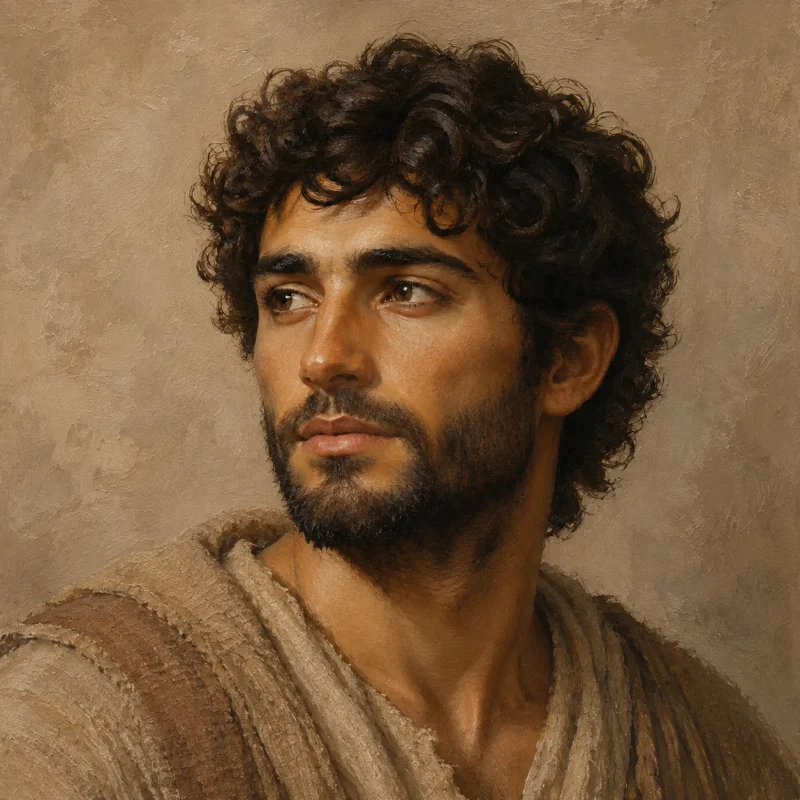
Also indexed here:
- Cush