Wisdom & Poetry · Old Testament
Psalms 136
Psalm 136: give thanks, for his mercy endureth for ever, in twenty-six verses
General context
Every one of the twenty-six verses ends with the same words, "for his mercy endureth for ever". The psalm opens with three calls to give thanks, to the Lord who is good, to the God of gods and to the Lord of lords. It then names the one who alone does great wonders, who by wisdom made the heavens, stretched out the earth above the waters, and made great lights, the sun to rule by day and the moon and stars by night. It recounts that he smote Egypt in their firstborn, brought Israel out with a strong hand and stretched out arm, divided the Red sea into parts, made Israel pass through it, and overthrew Pharaoh and his host in it. He led his people through the wilderness, smote great kings and slew famous kings, Sihon king of the Amorites and Og the king of Bashan, and gave their land as an heritage to Israel his servant. He remembered us in our low estate, redeemed us from our enemies, and gives food to all flesh. The psalm closes with a call to give thanks to the God of heaven.
Cited passages: Psalms 136:1, Psalms 136:2, Psalms 136:3, Psalms 136:4, Psalms 136:5, Psalms 136:6, Psalms 136:7, Psalms 136:8, Psalms 136:9, Psalms 136:10, Psalms 136:11, Psalms 136:12, Psalms 136:13, Psalms 136:14, Psalms 136:15, Psalms 136:16, Psalms 136:17, Psalms 136:18, Psalms 136:19, Psalms 136:20, Psalms 136:21, Psalms 136:22, Psalms 136:23, Psalms 136:24, Psalms 136:25, Psalms 136:26
Psalms 136 (KJV)
1O give thanks unto the Lord; for he is good: for his mercy endureth for ever.
2O give thanks unto the God of gods: for his mercy endureth for ever.
3O give thanks to the Lord of lords: for his mercy endureth for ever.
4To him who alone doeth great wonders: for his mercy endureth for ever.
5To him that by wisdom made the heavens: for his mercy endureth for ever.
6To him that stretched out the earth above the waters: for his mercy endureth for ever.
7To him that made great lights: for his mercy endureth for ever:
8The sun to rule by day: for his mercy endureth for ever:
9The moon and stars to rule by night: for his mercy endureth for ever.
10To him that smote Egypt in their firstborn: for his mercy endureth for ever:
11And brought out Israel from among them: for his mercy endureth for ever:
12With a strong hand, and with a stretched out arm: for his mercy endureth for ever.
13To him which divided the Red sea into parts: for his mercy endureth for ever:
14And made Israel to pass through the midst of it: for his mercy endureth for ever:
15But overthrew Pharaoh and his host in the Red sea: for his mercy endureth for ever.
16To him which led his people through the wilderness: for his mercy endureth for ever.
17To him which smote great kings: for his mercy endureth for ever:
18And slew famous kings: for his mercy endureth for ever:
19Sihon king of the Amorites: for his mercy endureth for ever:
20And Og the king of Bashan: for his mercy endureth for ever:
21And gave their land for an heritage: for his mercy endureth for ever:
22Even an heritage unto Israel his servant: for his mercy endureth for ever.
23Who remembered us in our low estate: for his mercy endureth for ever:
24And hath redeemed us from our enemies: for his mercy endureth for ever.
25Who giveth food to all flesh: for his mercy endureth for ever.
26O give thanks unto the God of heaven: for his mercy endureth for ever.
This page shows the King James Version. In the app, reading opens in the Berean Standard Bible unless you have chosen another translation. The reader includes five translations: the Berean Standard Bible (BSB), the King James Version (KJV), the World English Bible (WEB), the Bible in Basic English (BBE), and the American Standard Version (ASV). Search covers three of them: Berean Standard, King James, and World English. Basic English and American Standard readers search the King James words.
Historical context
The source prints no heading for this psalm; verse 1 begins with "O give thanks unto the Lord", so no title, author or occasion is given and none is asserted. The named persons and peoples are Israel, Egypt, Pharaoh and his host, Sihon king of the Amorites and Og the king of Bashan; the named places are the Red sea and the wilderness. The acts are listed in an order that runs from creation to the giving of the land, and the psalm gives no dates. The voice is plural where it becomes personal, "remembered us in our low estate" and "redeemed us from our enemies", and the psalm does not say what the low estate was or who the enemies were; these two verses are the only ones that speak of the group's own experience rather than of creation or the past. The kings Sihon and Og are also named in Psalm 135:11 in the psalm before this one. No Selah occurs; the refrain is the one line repeated in full.
Cited passages: Psalms 136:1, Psalms 136:10, Psalms 136:15, Psalms 136:16, Psalms 136:19, Psalms 135:11, Psalms 136:23, Psalms 136:24
Literary context
The refrain "for his mercy endureth for ever" closes all twenty-six verses, so each line is half statement and half response. The first halves are organised in runs. Three "O give thanks" lines open the psalm, using three titles: the Lord, the God of gods, the Lord of lords. A run of "To him" lines follows for creation, wonders, heavens, earth, lights, with the sun and the moon and stars each given a verse. A second run tells Egypt, the exodus, the Red sea and the wilderness, where "And" and "But" carry the sequence from smiting to bringing out to dividing to overthrowing. A third run tells the kings, with the general "great kings" and "famous kings" followed by the two names. Verses 23-25 switch to "Who" and to "us", and the last verse returns to "O give thanks" with a fourth title, the God of heaven, so the ending answers the opening. Creation and history are told in the same form, each act given exactly one line and the same reply.
Cited passages: Psalms 136:1, Psalms 136:2, Psalms 136:3, Psalms 136:4, Psalms 136:8, Psalms 136:9, Psalms 136:11, Psalms 136:15, Psalms 136:17, Psalms 136:18, Psalms 136:23, Psalms 136:26
Key moments
- Give thanks, he is good (Psalms 136:1). The psalm opens with a call to give thanks to the Lord and the refrain about his mercy.
- Heavens made by wisdom (Psalms 136:5). The Lord is thanked as the one who by wisdom made the heavens.
- Sun, moon and stars (Psalms 136:8). The great lights are named, the sun to rule by day and the moon and stars by night.
- Israel brought out of Egypt (Psalms 136:11). The Lord brought Israel out from among the Egyptians with a strong hand.
- Red sea divided (Psalms 136:13). The Lord divided the Red sea into parts and Israel passed through.
- Sihon and Og (Psalms 136:19). The slain kings are named as Sihon and Og and their land given to Israel.
- Remembered in low estate (Psalms 136:23). The Lord remembered the group in their low estate and redeemed them from enemies.
For reflection
The same refrain answers the making of the sun, the death of Egypt's firstborn, the drowning of Pharaoh's host and the giving of food to all flesh. What does the psalm ask a reader to understand by calling every one of these acts mercy?
People in this chapter
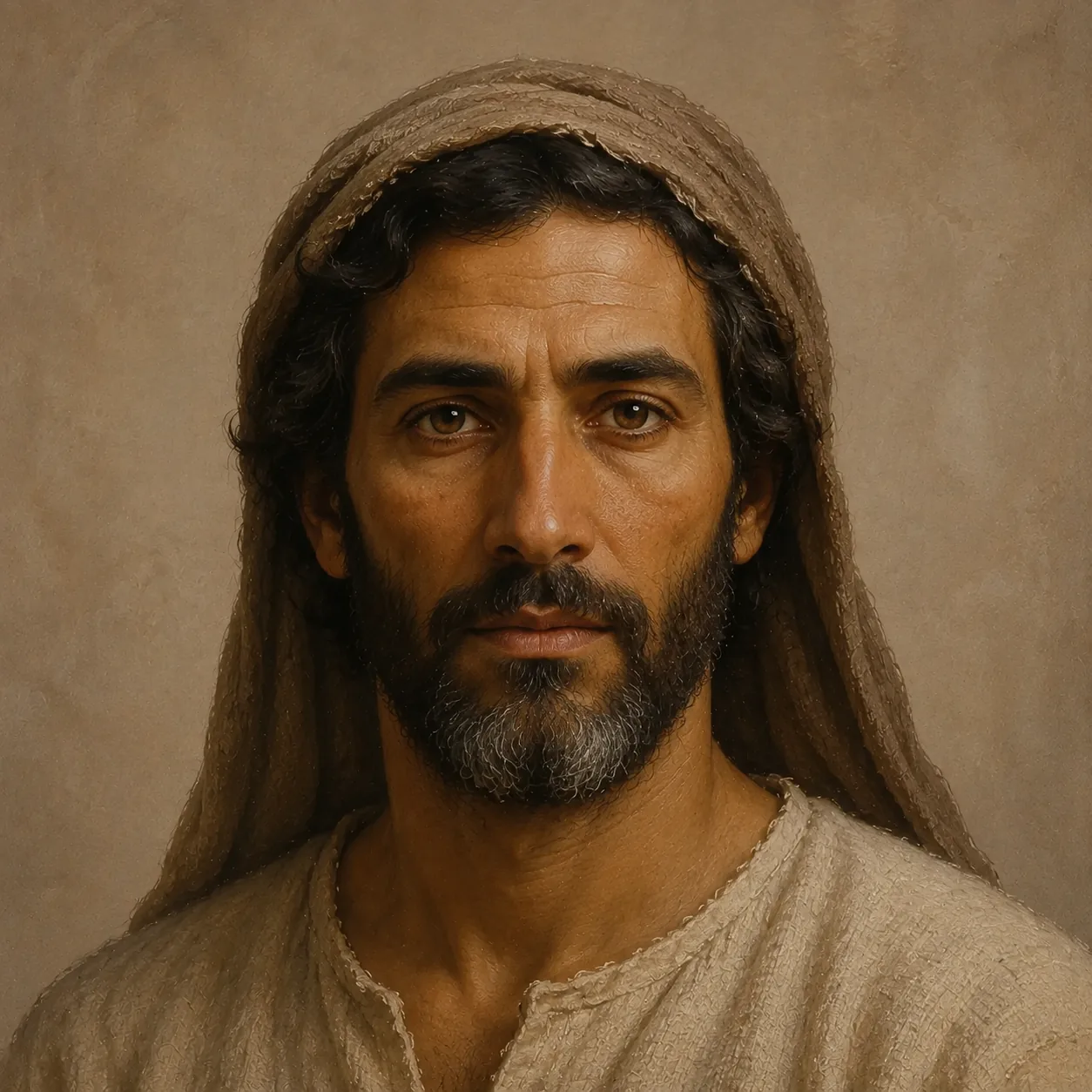
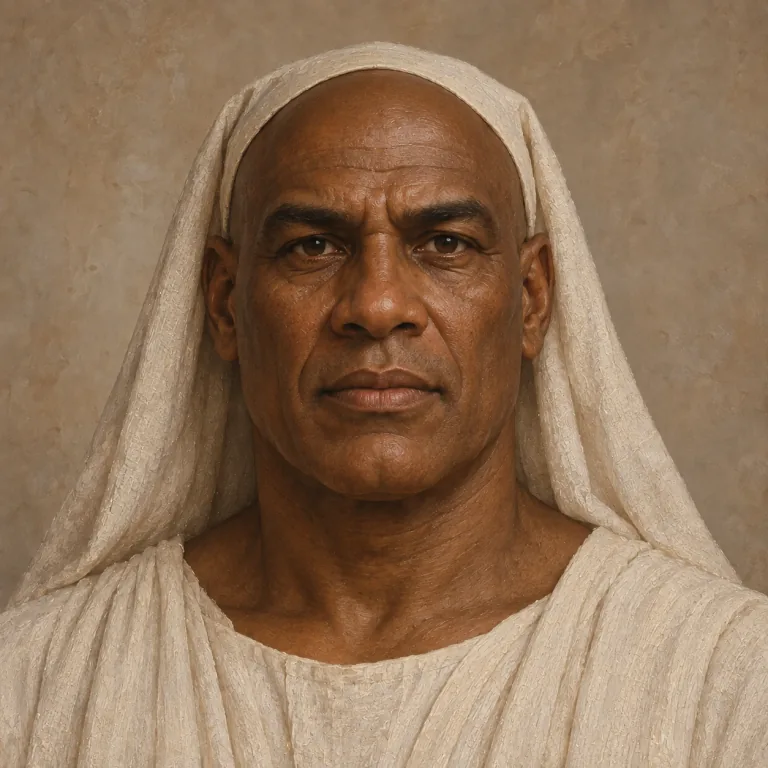
Also indexed here: