The Histories · Old Testament
1 Samuel 7
Israel returns to the Lord at Mizpeh
General context
The ark is brought to Abinadab's house at Kirjath-jearim. After a long interval, Samuel calls Israel to put away other gods and serve the Lord alone. At Mizpeh the people confess their sin and ask Samuel to keep praying when the Philistines approach. The Lord answers with thunder, and Israel pursues the defeated army. Samuel sets up Ebenezer as a witness to the Lord's help.
Cited passages: 1 Samuel 7:1, 1 Samuel 7:2, 1 Samuel 7:3, 1 Samuel 7:4, 1 Samuel 7:5, 1 Samuel 7:6, 1 Samuel 7:7, 1 Samuel 7:8, 1 Samuel 7:9, 1 Samuel 7:10, 1 Samuel 7:11, 1 Samuel 7:12
1 Samuel 7 (KJV)
1And the men of Kirjath-jearim came, and fetched up the ark of the Lord, and brought it into the house of Abinadab in the hill, and sanctified Eleazar his son to keep the ark of the Lord.
2And it came to pass, while the ark abode in Kirjath-jearim, that the time was long; for it was twenty years: and all the house of Israel lamented after the Lord.
3And Samuel spake unto all the house of Israel, saying, If ye do return unto the Lord with all your hearts, then put away the strange gods and Ashtaroth from among you, and prepare your hearts unto the Lord, and serve him only: and he will deliver you out of the hand of the Philistines.
4Then the children of Israel did put away Baalim and Ashtaroth, and served the Lord only.
5And Samuel said, Gather all Israel to Mizpeh, and I will pray for you unto the Lord.
6And they gathered together to Mizpeh, and drew water, and poured it out before the Lord, and fasted on that day, and said there, We have sinned against the Lord. And Samuel judged the children of Israel in Mizpeh.
7And when the Philistines heard that the children of Israel were gathered together to Mizpeh, the lords of the Philistines went up against Israel. And when the children of Israel heard it, they were afraid of the Philistines.
8And the children of Israel said to Samuel, Cease not to cry unto the Lord our God for us, that he will save us out of the hand of the Philistines.
9And Samuel took a sucking lamb, and offered it for a burnt offering wholly unto the Lord: and Samuel cried unto the Lord for Israel; and the Lord heard him.
10And as Samuel was offering up the burnt offering, the Philistines drew near to battle against Israel: but the Lord thundered with a great thunder on that day upon the Philistines, and discomfited them; and they were smitten before Israel.
11And the men of Israel went out of Mizpeh, and pursued the Philistines, and smote them, until they came under Beth-car.
12Then Samuel took a stone, and set it between Mizpeh and Shen, and called the name of it Eben-ezer, saying, Hitherto hath the Lord helped us.
13So the Philistines were subdued, and they came no more into the coast of Israel: and the hand of the Lord was against the Philistines all the days of Samuel.
14And the cities which the Philistines had taken from Israel were restored to Israel, from Ekron even unto Gath; and the coasts thereof did Israel deliver out of the hands of the Philistines. And there was peace between Israel and the Amorites.
15And Samuel judged Israel all the days of his life.
16And he went from year to year in circuit to Beth-el, and Gilgal, and Mizpeh, and judged Israel in all those places.
17And his return was to Ramah; for there was his house; and there he judged Israel; and there he built an altar unto the Lord.
This page shows the King James Version. In the app, reading opens in the Berean Standard Bible unless you have chosen another translation. The reader includes five translations: the Berean Standard Bible (BSB), the King James Version (KJV), the World English Bible (WEB), the Bible in Basic English (BBE), and the American Standard Version (ASV). Search covers three of them: Berean Standard, King James, and World English. Basic English and American Standard readers search the King James words.
Historical context
Eleazar, Abinadab's son, is set apart to keep the ark. The twenty years mentioned at the opening mark the long interval described here; the verse does not say that the ark's entire stay ends then. Samuel's work includes judging at Bethel, Gilgal and Mizpeh, with his home and an altar at Ramah. The closing summary describes restored territory and peace with the Amorites.
Cited passages: 1 Samuel 7:1, 1 Samuel 7:2, 1 Samuel 7:13, 1 Samuel 7:14, 1 Samuel 7:15, 1 Samuel 7:16, 1 Samuel 7:17
Literary context
Israel's appeal for Samuel's prayer accompanies the removal of rival gods and confession at Mizpeh. Victory is credited to the Lord's answer, then remembered through a named stone. The account moves from a gathered people in crisis to Samuel's continuing circuit of judgment, linking deliverance with sustained public service.
Cited passages: 1 Samuel 7:3, 1 Samuel 7:4, 1 Samuel 7:5, 1 Samuel 7:6, 1 Samuel 7:7, 1 Samuel 7:8, 1 Samuel 7:9, 1 Samuel 7:10, 1 Samuel 7:11, 1 Samuel 7:12, 1 Samuel 7:15, 1 Samuel 7:16, 1 Samuel 7:17
Key moments
- The ark entrusted to a household (1 Samuel 7:1). Eleazar is set apart to keep the ark at Abinadab's house.
- Other gods put away (1 Samuel 7:4). Israel removes Baalim and Ashtaroth and serves the Lord alone.
- Samuel's prayer answered (1 Samuel 7:9). Samuel offers a lamb and cries to the Lord for Israel.
- Ebenezer set up (1 Samuel 7:12). Samuel names the stone in remembrance of the Lord's help.
- A continuing circuit (1 Samuel 7:16). Samuel travels yearly to judge in Bethel, Gilgal and Mizpeh.
For reflection
What would it mean to remember help received while also taking seriously the changes that repentance calls for?
People in this chapter
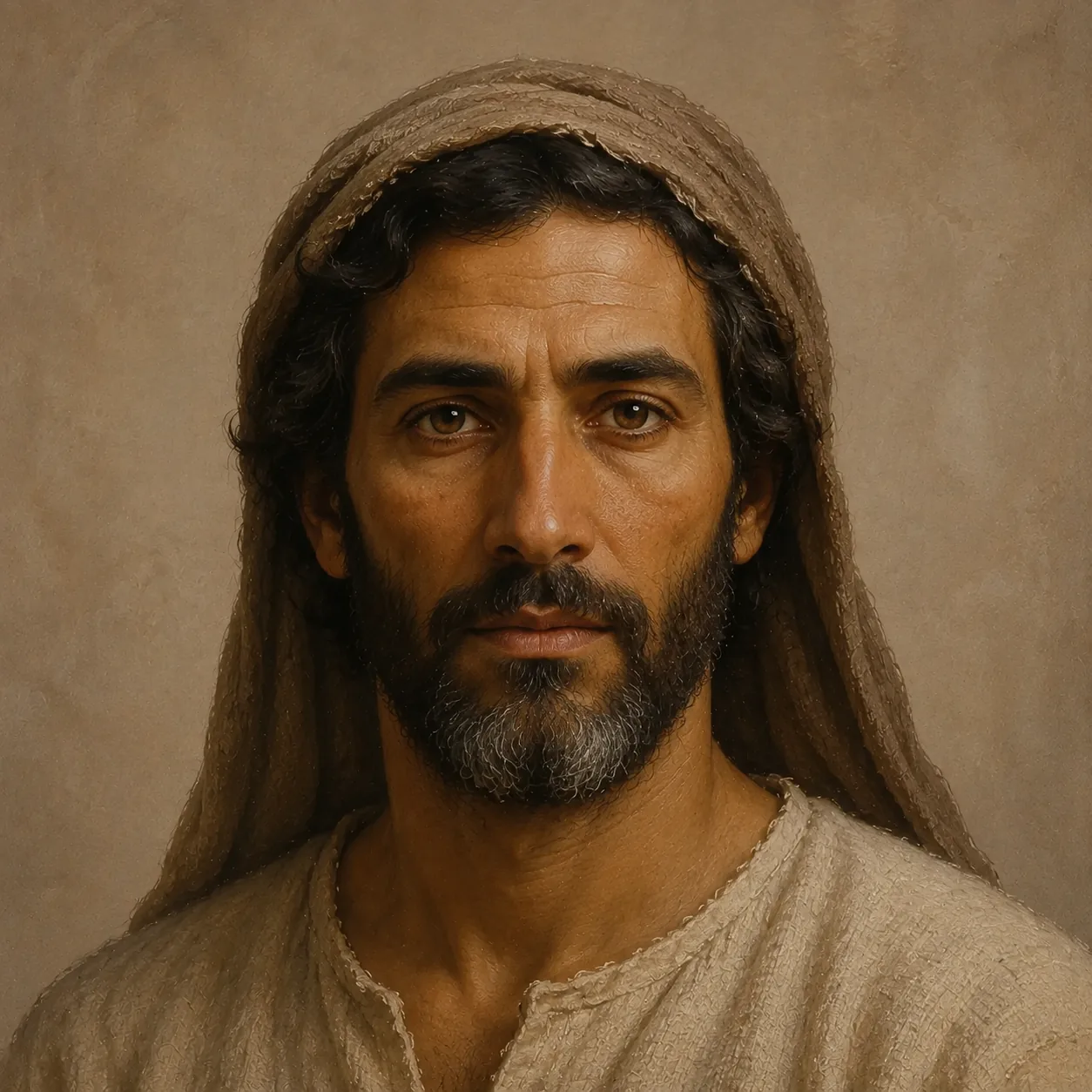
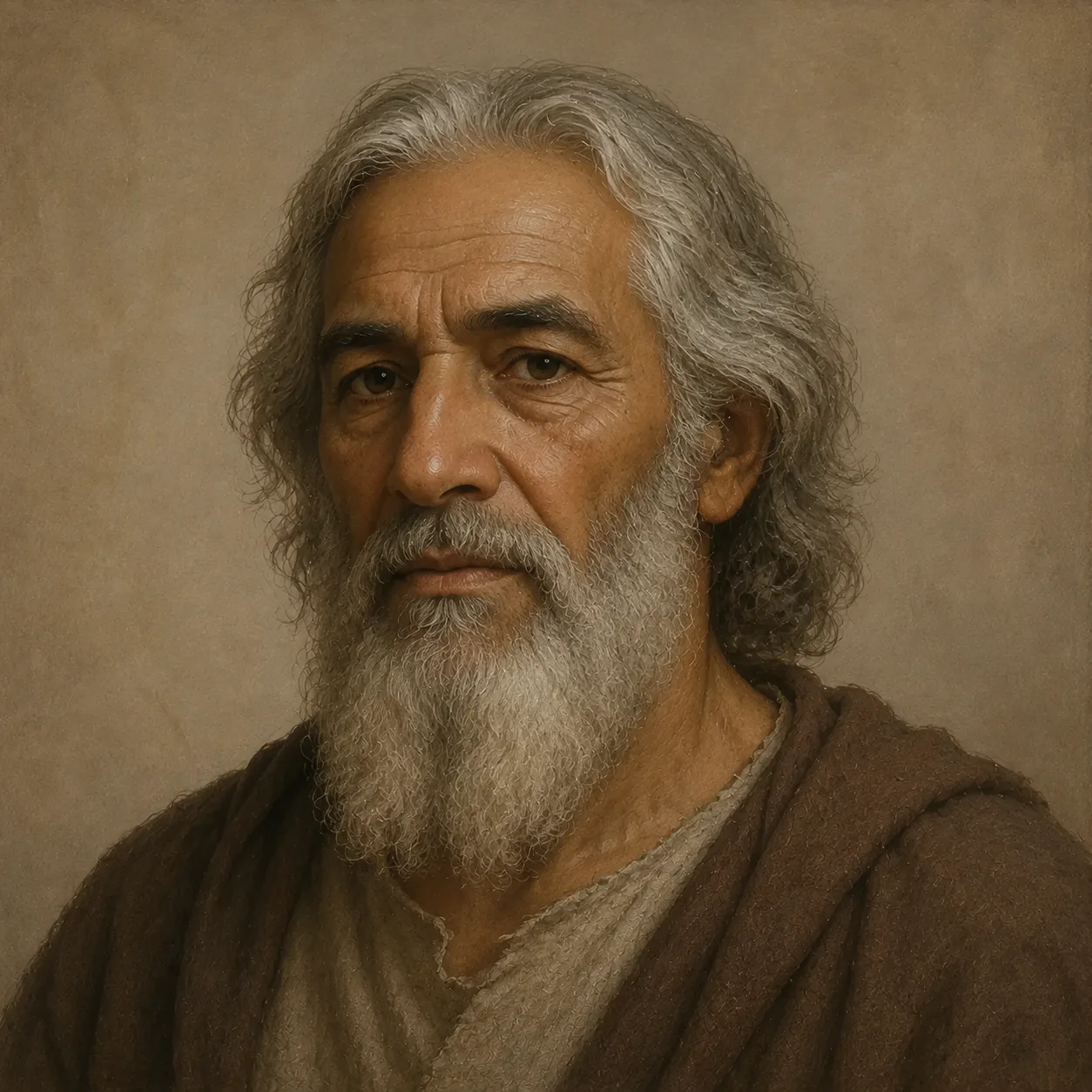
Also indexed here:
- Abinadab
- Eleazar