Person in the Old Testament
Zephaniah
Zephaniah son of Cushi: four generations named in one opening line
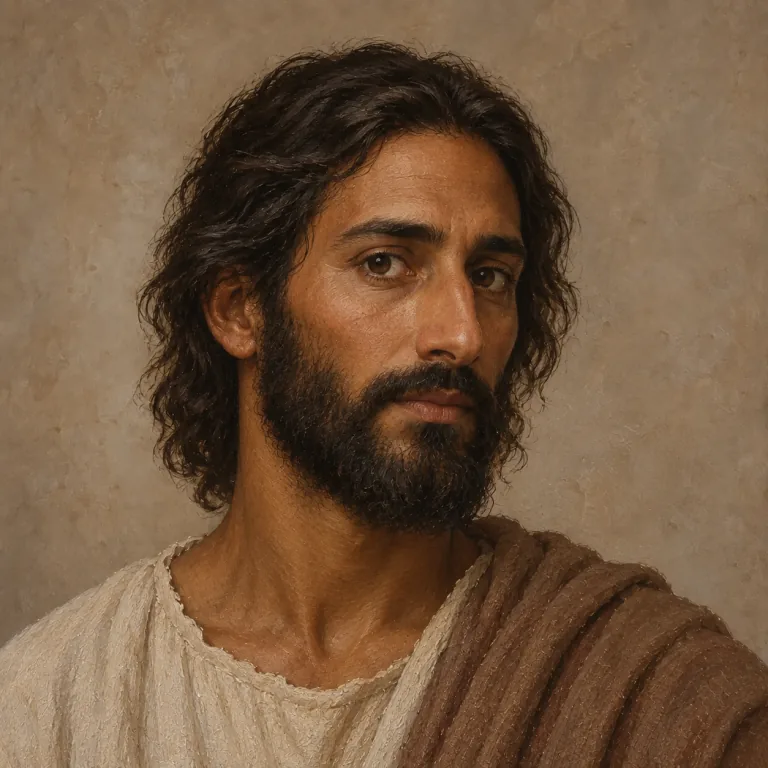
Portrait: an AI-generated artistic interpretation, not evidence of how Zephaniah looked.
Who Zephaniah is
Zephaniah appears in one verse only: "The word of the Lord which came unto Zephaniah the son of Cushi, the son of Gedaliah, the son of Amariah, the son of Hizkiah, in the days of Josiah the son of Amon, king of Judah." That single line gives him a father and three further generations, and places the word in a named reign. The book that follows never mentions him again, and no scene shows him speaking to anyone, being answered, or doing anything. The oracles run on in the Lord's voice and in the voice of an unnamed speaker.
Cited passages: Zephaniah 1:1
Historical setting
The line of descent is unusually long for a prophet's heading, four generations back to Hizkiah, and the text does not say why it is traced so far or who Hizkiah is. Cushi, Gedaliah and Amariah are named and nothing more is said about any of them. Josiah is identified only as "the son of Amon, king of Judah," and no event of his reign appears in the book. Zephaniah is given no town and no office; he is not even called a prophet in this verse. He is distinct from "Zephaniah the son of Maaseiah the priest," whom Zedekiah sends to Jeremiah in Jeremiah 21:1 and Jeremiah 37:3, and from "Zephaniah the second priest" taken by the captain of the guard in 2 Kings 25:18; another man of the name appears as the father of Josiah in Zechariah 6:10. This source has no superscriptions, so verse 1 is the whole of what the text supplies about him.
Cited passages: Zephaniah 1:1, Jeremiah 21:1, Jeremiah 37:3, 2 Kings 25:18, Zechariah 6:10
How the story is told
The heading works by stacking names. Four generations of ancestors and then a king with his own father's name fill the verse, so the reader is given more genealogy than the man ever gets narrative. The effect is to anchor the word in a family and a reign and then drop the person entirely; from verse 2 onward the book speaks as the Lord, or as a voice commanding silence, gathering, seeking and finally singing, without returning to the name in the first line.
Cited passages: Zephaniah 1:1
Story moments
- The word to Zephaniah (Zephaniah 1:1). The single verse names Zephaniah, four generations of his line, and Josiah’s reign.
- A priest of the same name (Jeremiah 21:1). Zedekiah sends Zephaniah the son of Maaseiah the priest to Jeremiah.
- Zephaniah the second priest (2 Kings 25:18). The captain of the guard takes a different Zephaniah from the temple.
- Another Zephaniah named (Zechariah 6:10). A house belonging to Josiah the son of Zephaniah is named in Zechariah.
Key passages
Zephaniah 1:1
The word of the Lord which came unto Zephaniah the son of Cushi, the son of Gedaliah, the son of Amariah, the son of Hizkiah, in the days of Josiah the son of Amon, king of Judah.
King James Version. 1 indexed passage in total.
For reflection
Four generations of ancestors are named for a man who never appears again in his own book. What do you make of a text that is careful about where someone came from and silent about what he did?
Books Zephaniah appears in
Related people
Names and references are adapted from STEPBible TIPNR. A person listed with a verse is named or indexed there; it does not mean they wrote or spoke it.