The Letters · New Testament
Philippians 4
Philippians 4: two women asked to agree, and thanks for a gift
General context
Paul calls the readers his joy and crown and tells them to stand fast. He names two women, Euodias and Syntyche, and asks them to be of the same mind in the Lord, then asks a true yokefellow to help them, with Clement and other fellowlabourers whose names are in the book of life. He tells them to rejoice always, repeats it, asks that their moderation be known to all, and says the Lord is at hand. Instead of anxiety he prescribes prayer and supplication with thanksgiving, and promises the peace of God, which passes all understanding, to guard heart and mind. He then lists what they should think about: whatever is true, honest, just, pure, lovely and of good report, and anything of virtue or praise, and tells them to do what they learned and saw in him. The rest of the chapter is about money. He rejoices that their care for him has flourished again, notes they lacked opportunity rather than will, and insists he does not speak out of want, having learned contentment in any state, abased or abounding. He says he can do all things through Christ who strengthens him, but adds they did well to share his affliction. He reminds them that when he left Macedonia no church shared with him in giving and receiving except them, and that they sent to his need once and again in Thessalonica. He says he wants fruit added to their account rather than a gift, reports that he now has enough after receiving what they sent by Epaphroditus, calls it a sacrifice acceptable to God, and promises God will supply their need. He ends with greetings, chiefly from those of Cesar's household.
Cited passages: Philippians 4:1, Philippians 4:2, Philippians 4:3, Philippians 4:4, Philippians 4:5, Philippians 4:6, Philippians 4:7, Philippians 4:8, Philippians 4:9, Philippians 4:10, Philippians 4:11, Philippians 4:12, Philippians 4:13, Philippians 4:14, Philippians 4:15, Philippians 4:16, Philippians 4:17, Philippians 4:18, Philippians 4:19, Philippians 4:21, Philippians 4:22, Philippians 4:23
Philippians 4 (KJV)
1Therefore, my brethren dearly beloved and longed for, my joy and crown, so stand fast in the Lord, my dearly beloved.
2I beseech Euodias, and beseech Syntyche, that they be of the same mind in the Lord.
3And I intreat thee also, true yokefellow, help those women which laboured with me in the gospel, with Clement also, and with other my fellowlabourers, whose names are in the book of life.
4Rejoice in the Lord alway: and again I say, Rejoice.
5Let your moderation be known unto all men. The Lord is at hand.
6Be careful for nothing; but in every thing by prayer and supplication with thanksgiving let your requests be made known unto God.
7And the peace of God, which passeth all understanding, shall keep your hearts and minds through Christ Jesus.
8Finally, brethren, whatsoever things are true, whatsoever things are honest, whatsoever things are just, whatsoever things are pure, whatsoever things are lovely, whatsoever things are of good report; if there be any virtue, and if there be any praise, think on these things.
9Those things, which ye have both learned, and received, and heard, and seen in me, do: and the God of peace shall be with you.
10But I rejoiced in the Lord greatly, that now at the last your care of me hath flourished again; wherein ye were also careful, but ye lacked opportunity.
11Not that I speak in respect of want: for I have learned, in whatsoever state I am, therewith to be content.
12I know both how to be abased, and I know how to abound: every where and in all things I am instructed both to be full and to be hungry, both to abound and to suffer need.
13I can do all things through Christ which strengtheneth me.
14Notwithstanding ye have well done, that ye did communicate with my affliction.
15Now ye Philippians know also, that in the beginning of the gospel, when I departed from Macedonia, no church communicated with me as concerning giving and receiving, but ye only.
16For even in Thessalonica ye sent once and again unto my necessity.
17Not because I desire a gift: but I desire fruit that may abound to your account.
18But I have all, and abound: I am full, having received of Epaphroditus the things which were sent from you, an odour of a sweet smell, a sacrifice acceptable, wellpleasing to God.
19But my God shall supply all your need according to his riches in glory by Christ Jesus.
20Now unto God and our Father be glory for ever and ever. Amen.
21Salute every saint in Christ Jesus. The brethren which are with me greet you.
22All the saints salute you, chiefly they that are of Caesar’s household.
23The grace of our Lord Jesus Christ be with you all. Amen.
Printed after this letter in the King James Version: It was written to the Philippians from Rome by Epaphroditus.
This page shows the King James Version. In the app, reading opens in the Berean Standard Bible unless you have chosen another translation. The reader includes five translations: the Berean Standard Bible (BSB), the King James Version (KJV), the World English Bible (WEB), the Bible in Basic English (BBE), and the American Standard Version (ASV). Search covers three of them: Berean Standard, King James, and World English. Basic English and American Standard readers search the King James words.
Historical context
Four people are named: Euodias, Syntyche, Clement and Epaphroditus, and one is addressed without a name, true yokefellow. The chapter never says what the disagreement between the two women was, only that they are asked to be of the same mind in the Lord, and it says they laboured with me in the gospel. Two places are named, Macedonia and Thessalonica, the readers are addressed as ye Philippians, and the only time marker is in the beginning of the gospel. Paul says the readers alone supported him then, and that they sent to Thessalonica once and again, but no amount is given for any gift. Caesar is named once, in the greeting from them that are of Cesar's household, with no further identification. No scripture is quoted. After the closing Amen the source prints one more line, It was written to the Philippians from Rome by Epaphroditus, which stands inside the final verse rather than as a heading; Rome is named nowhere in the body of the letter.
Cited passages: Philippians 4:2, Philippians 4:3, Philippians 4:15, Philippians 4:16, Philippians 4:18, Philippians 4:22, Philippians 4:23
Literary context
The chapter moves in short blocks with no connective argument between them, so a named quarrel, a call to rejoice, a rule about anxiety and a list of things to think about sit side by side. The list itself is built by repetition, six clauses each opening whatsoever things are, which gives the instruction a rhythm before it gives it content. The thank-you at the end is the most carefully hedged writing in the letter. Paul says twice what he is not doing, not speaking in respect of want and not because I desire a gift, and he places his contentment before his gratitude, so the thanks arrive without a request attached. The vocabulary is commercial throughout that section, communicate, giving and receiving, your account, I have all, and abound, and the gift is then handed over to a different category entirely, an odour of a sweet smell, a sacrifice acceptable.
Cited passages: Philippians 4:2, Philippians 4:4, Philippians 4:6, Philippians 4:8, Philippians 4:11, Philippians 4:15, Philippians 4:17, Philippians 4:18
Key moments
- Euodias and Syntyche (Philippians 4:2). Two named women are asked to be of the same mind.
- A yokefellow asked to help (Philippians 4:3). An unnamed person is asked to assist the women and the fellowlabourers.
- Prayer instead of anxiety (Philippians 4:6). Requests are to be made known to God with thanksgiving.
- Think on these things (Philippians 4:8). A list of qualities is given as the subject for thought.
- Learned to be content (Philippians 4:11). Paul says contentment came by learning, not by circumstance.
- Only the Philippians gave (Philippians 4:15). He recalls that no other church shared with him at the start.
- The gift received (Philippians 4:18). What Epaphroditus brought is called a sacrifice acceptable to God.
For reflection
Paul says he learned contentment, in whatsoever state I am, rather than arriving with it. What would learning it look like in the state you are actually in?
People in this chapter

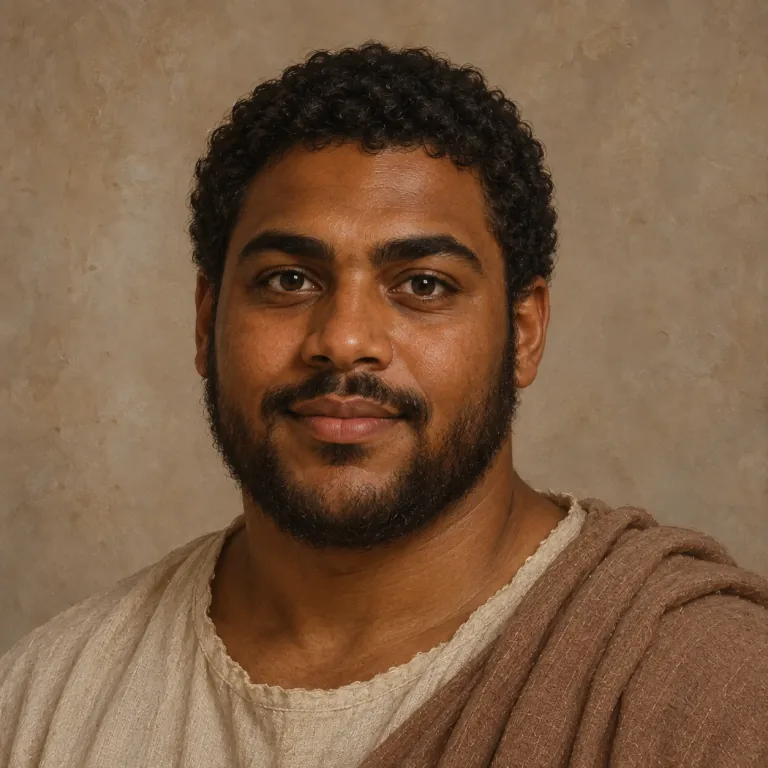
Also indexed here:
- Clement
- Euodia
- Nero
- Syntyche