Person in the New Testament
Zacchaeus
Zaccheus: the chief publican of Jericho who came down from the tree
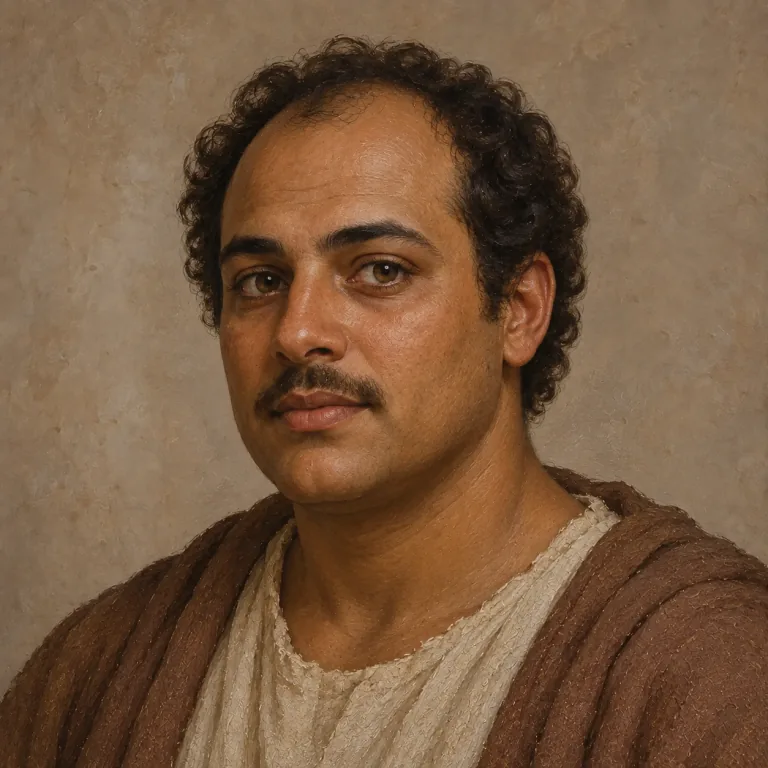
Portrait: an AI-generated artistic interpretation, not evidence of how Zacchaeus looked.
Who Zacchaeus is
The text places him at Jericho as a man named Zaccheus, chief among the publicans, and rich. He seeks to see Jesus and cannot for the crowd, because he is little of stature, so he runs ahead and climbs a sycomore tree on the route. Jesus comes to the place, looks up, calls him by name and tells him to make haste and come down, because he must abide at his house that day. Zaccheus comes down quickly and receives him joyfully, and those who see it murmur that Jesus has gone to be guest with a man that is a sinner. Zaccheus then stands and says that he gives half his goods to the poor, and that if he has taken anything from any man by false accusation he restores him fourfold. Jesus answers that salvation has come to this house, since he also is a son of Abraham, and adds that the Son of man is come to seek and to save that which was lost. The account ends there.
Cited passages: Luke 19:1, Luke 19:2, Luke 19:3, Luke 19:4, Luke 19:5, Luke 19:6, Luke 19:7, Luke 19:8, Luke 19:9, Luke 19:10
Historical setting
The printed text spells the name Zaccheus. Everything recorded about him sits in these ten verses: the town, his work as chief among the publicans, his wealth, his short stature and his own statement. No family, age, or later history appears, and no other passage indexed for him falls outside this scene. His words about restoring fourfold are conditional in form, if I have taken any thing from any man by false accusation, so the text does not assert that he had defrauded anyone. The only accusation in the scene comes from the onlookers, who call him a sinner without naming anything he did. Jesus calls him a son of Abraham. The wording does not settle whether the giving and restoring describe a practice he already keeps or a decision he makes that day.
Cited passages: Luke 19:1, Luke 19:2, Luke 19:3, Luke 19:4, Luke 19:5, Luke 19:7, Luke 19:8, Luke 19:9, Luke 19:10
How the story is told
Seeing drives the scene. He sought to see Jesus and could not for the press, then climbed to see him, and the turn comes when Jesus looks up and sees him first and uses his name. The crowd's murmur and Jesus' closing words are set against each other: they call him a man that is a sinner, and Jesus calls the house saved and the man a son of Abraham. Luke places the episode directly after a blind beggar near Jericho asks to receive his sight and gets it, and directly before a parable about servants, money and a returning master, so sight and wealth both carry across the seam. The last line about seeking and saving the lost answers the murmuring crowd rather than Zaccheus, who has already spoken.
Cited passages: Luke 19:3, Luke 19:4, Luke 19:5, Luke 19:6, Luke 19:7, Luke 19:8, Luke 19:9, Luke 19:10, Luke 18:41, Luke 18:43, Luke 19:11, Luke 19:13
Story moments
- Chief among the publicans (Luke 19:2). The text introduces him at Jericho as rich and chief among the publicans.
- Up the sycomore tree (Luke 19:4). He runs ahead and climbs because he is little of stature.
- Make haste, and come down (Luke 19:5). Jesus looks up, names him, and says he must stay at his house today.
- They all murmured (Luke 19:7). Those who see it object that Jesus is a guest with a sinner.
- Half my goods to the poor (Luke 19:8). Zaccheus states his giving and his conditional fourfold restoration.
- Salvation come to this house (Luke 19:9). Jesus answers by calling him a son of Abraham.
Key passages
Luke 19:2
And, behold, there was a man named Zacchæus, which was the chief among the publicans, and he was rich.
Luke 19:5
And when Jesus came to the place, he looked up, and saw him, and said unto him, Zacchæus, make haste, and come down; for to day I must abide at thy house.
Luke 19:8
And Zacchæus stood, and said unto the Lord; Behold, Lord, the half of my goods I give to the poor; and if I have taken any thing from any man by false accusation, I restore him fourfold.
King James Version. 3 indexed passages in total.
For reflection
The crowd calls him a man that is a sinner and Jesus calls him a son of Abraham, and the text never reports how Zaccheus would have described himself. Which description does the scene give more weight to, and by what means?
Books Zacchaeus appears in
Related people
Names and references are adapted from STEPBible TIPNR. A person listed with a verse is named or indexed there; it does not mean they wrote or spoke it.